 Save
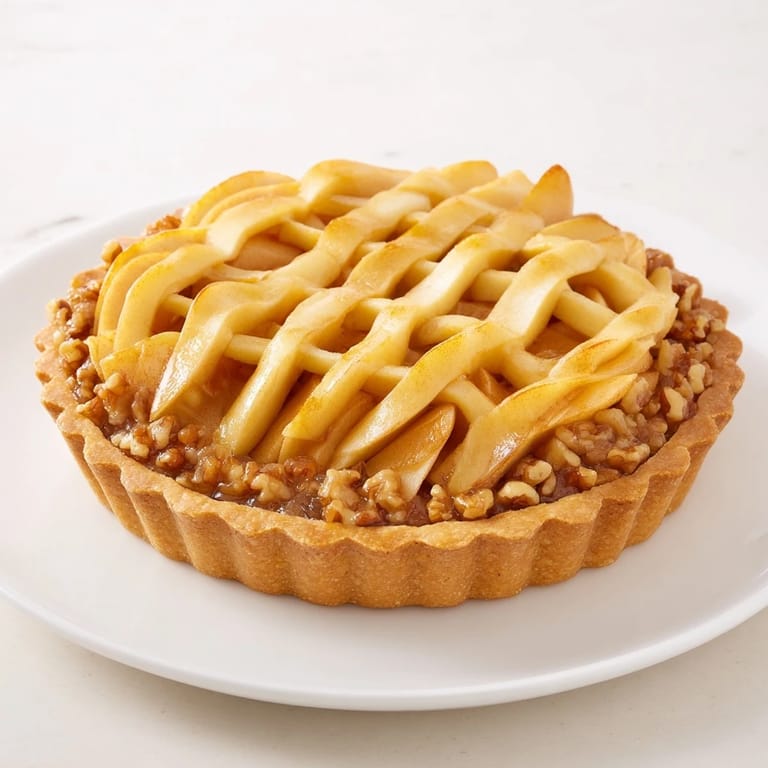
Save There's something about weaving apple slices into a lattice that makes you feel like you're doing something your grandmother might have done, even if you've never made pastry before. I stumbled onto this recipe late one September when I was trying to impress someone with autumn flavors, and the moment those thin apple slices caught the oven light through the crisscross pattern, I knew I'd found something special. The combination of crispy crust, honeyed walnuts, and tender apples is honestly one of those dishes that tastes far more complicated than it actually is. It became my go-to for potlucks and dinner parties almost immediately.
I made this for a small gathering on a chilly evening, and my friend Sarah actually paused mid-bite and asked if I'd bought it from a bakery. The flush of pride I felt was ridiculous, especially since the most difficult part was just slicing apples thin and keeping my patience while the weaving happened. She went back for seconds and spent half the night asking questions about the crust technique, which somehow made the whole thing worth it.
Ingredients
- All-purpose flour (1 1/4 cups): The foundation of your crust; keep it cold and work quickly so the butter stays in tiny pockets for maximum flakiness.
- Unsalted butter, cold and cubed (1/2 cup): Non-negotiable for texture; I learned the hard way that softened butter makes a dense crust instead of tender and crisp.
- Granulated sugar (2 tbsp for crust): Adds subtle sweetness without overwhelming the delicate pastry flavor.
- Salt (1/4 tsp): Just enough to enhance the butter and balance sweetness; don't skip it even though it seems tiny.
- Ice water (3–4 tbsp): Add slowly and stop the moment your dough just holds together, or you'll end up kneading it into toughness.
- Walnuts, chopped (1 cup): Toasted or raw both work, but toasting them for five minutes first brings out a nuttiness that makes the whole filling sing.
- Honey (1/4 cup): Pure honey, not the squeezable kind; it creates that glossy, jewel-like filling and binds everything beautifully.
- Light brown sugar (2 tbsp): Adds molasses notes that deepen the flavor without making it cloying.
- Ground cinnamon (1/2 tsp plus more): Warm and essential to the autumn feeling; a little goes a long way but don't be shy with it here.
- Salt (1/8 tsp for filling): Brings out the sweetness of honey and walnut in a subtle way.
- Firm, sweet-tart apples like Honeycrisp or Granny Smith (3 large): The variety matters because soft apples turn to mush; choose ones that hold their shape even as they soften slightly.
- Lemon juice (1 tbsp): Prevents browning and adds brightness that cuts through the richness of honey and butter.
- Granulated sugar (2 tbsp for apples): Helps draw out moisture and creates caramelization at the edges.
- Ground cinnamon (1/2 tsp): Dusted on apples before weaving to distribute flavor evenly throughout.
Tired of Takeout? 🥡
Get 10 meals you can make faster than delivery arrives. Seriously.
One email. No spam. Unsubscribe anytime.
Instructions
- Set your stage and preheat:
- Get your oven going to 375°F and prep your 9-inch tart or pie pan with a light greasing. This gives everything time to come to temperature while you work on the crust, and you won't be rushed.
- Build the crust:
- Whisk together flour, sugar, and salt, then cut in your cold butter cubes using a pastry cutter or two forks until it looks like coarse breadcrumbs with some pea-sized pieces still visible. Add ice water one tablespoon at a time, gently tossing with a fork until the dough just barely holds together when you squeeze it; overworking makes it tough.
- Press and chill:
- Press your dough evenly into the pan, prick the base all over with a fork to prevent puffing, and slide it into the fridge for 15 minutes. Cold dough means better texture and less shrinking during baking.
- Blind bake for structure:
- Line your crust with parchment and weight it down with pie weights or dried beans, then bake for 12 minutes. Remove the weights and parchment, give it another 5 minutes until it's lightly golden, then let it cool while you prep the filling.
- Layer the walnut filling:
- Mix your chopped walnuts, honey, brown sugar, cinnamon, and salt in a bowl, then spread it in an even layer across the cooled crust. Don't skimp on this step; it's what makes each bite taste rich and intentional.
- Slice your apples tissue-thin:
- Peel your apples if you prefer (I leave skin on for color and texture), then core them and slice as thin as you can manage, about 1/8 inch thick. Toss the slices immediately with lemon juice, sugar, and cinnamon to prevent browning and start the seasoning.
- Weave the lattice:
- This is where it looks fancy but feels meditative. On a large sheet of parchment, lay half your apple slices in parallel rows, slightly overlapping, then weave the remaining slices over and under to create the pattern. Once you've got a nice lattice, carefully slide it onto the tart, trim the ragged edges, and take a moment to admire your handiwork.
- Bake to golden perfection:
- Tent the whole thing loosely with foil and bake for 20 minutes, then remove the foil and bake another 10–15 minutes until the apples are tender and the exposed crust is golden. The apples should give slightly when you press them but not collapse into jam.
- Cool and serve:
- Let it rest for at least 20 minutes before slicing so everything sets properly. Serve warm, at room temperature, or even chilled; each temperature brings out slightly different flavors.
 Save
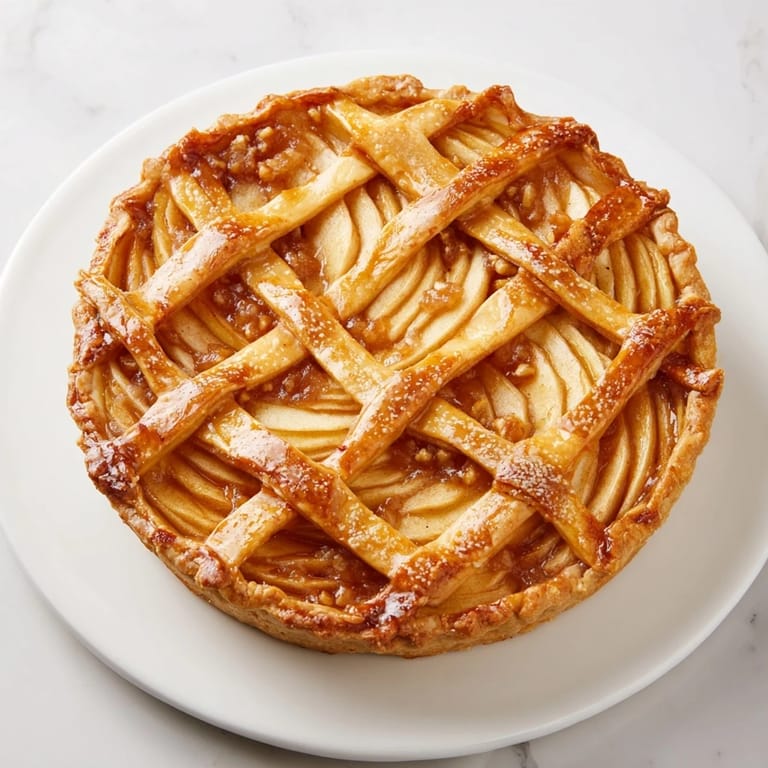
Save The moment I realized this dessert had become a keeper was when my neighbor asked me to bring it to their family dinner, and half the table forgot to try the main course because they were too busy admiring it. There's real power in something that's beautiful enough to be the centerpiece and delicious enough to back up that beauty.
Making the Crust Your Secret Weapon
A proper tart crust is honestly half the battle with this recipe. The key is understanding that you want those tiny pockets of butter to stay separate from the flour right up until they hit heat, and then they create steam and give you that tender, almost-flaky texture. I once made the mistake of letting my dough sit out for five minutes while I was distracted, and the butter started softening, which made the final crust dense and bread-like rather than delicate. Now I set a timer, keep everything cold, and honestly, it's not much harder than pie crust if you think of it as a game of keeping things chilled.
The Art of Apple Slicing
This is where a mandoline honestly changes the game, because getting 1/8-inch slices with a knife takes patience and will likely give you inconsistent thickness. If you don't have one, a very sharp knife and some determination work fine, though your first few slices will be thicker than your last. The beauty of the lattice is that slight imperfections disappear into the pattern, so don't stress about absolute uniformity; what matters is that the apples are thin enough to bake through and tender by the time the crust is golden.
Why This Dessert Works for Any Occasion
There's something almost meditative about how this dish sits in the middle ground between casual and fancy. It's approachable enough that you can make it on a random Tuesday, but elegant enough that you'd be proud to serve it at a dinner party. Autumn is obviously when it shines, but honestly, good apples show up year-round if you're willing to look. The lattice top makes it feel special without requiring professional pastry skills, and the flavors are comforting without being heavy.
- If apricot jam isn't in your pantry, a light brush of honey after baking gives similar shine and holds moisture in.
- Pecans swap in beautifully for walnuts if you want to shift the flavor profile or work with what you have on hand.
- Vanilla ice cream or a dollop of whipped cream isn't required but becomes almost necessary once you try it.
 Save
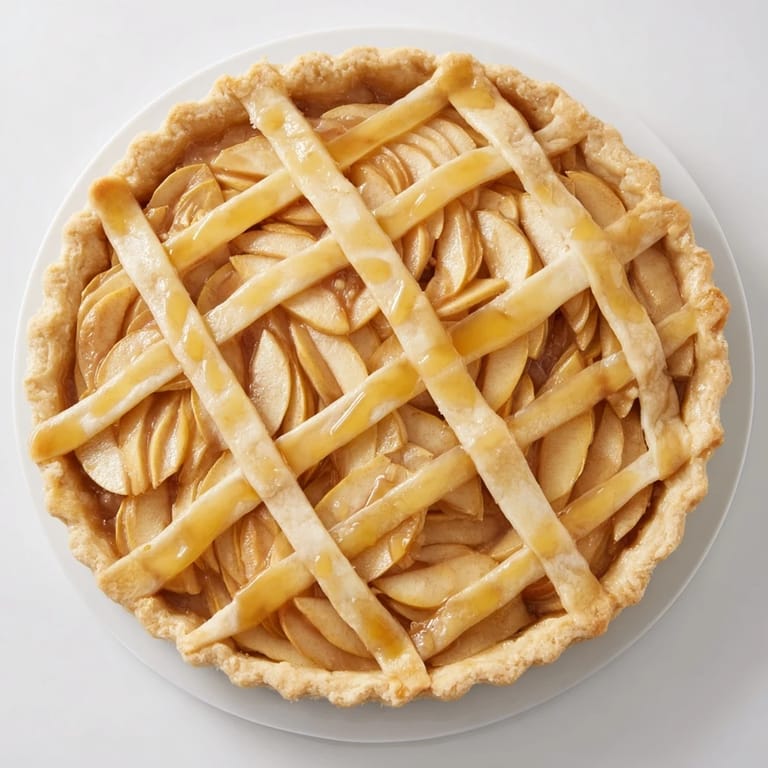
Save This tart has a way of making you feel like a better cook than you actually are, which is maybe the highest compliment a recipe can receive. Serve it warm, watch people's faces light up, and enjoy knowing you created something beautiful with your own hands.
Cooking Q&A
- → What type of apples work best for the lattice?
Firm, sweet-tart apples like Honeycrisp or Granny Smith hold their shape well and provide a balanced flavor for the lattice topping.
- → Can I substitute walnuts in the filling?
Pecans make a delicious alternative offering a slightly sweeter, buttery taste that complements the honey and spices.
- → How do I create the apple lattice?
Lay half the apple slices in parallel rows with slight overlap, then weave the remaining slices over and under to form a classic lattice pattern.
- → Why blind bake the crust before adding the filling?
Blind baking ensures the crust is crisp and prevents it from becoming soggy once the filling is added.
- → What is the purpose of lemon juice on the apples?
Lemon juice prevents browning of the thin apple slices and adds a bright note to balance the sweetness.