 Save
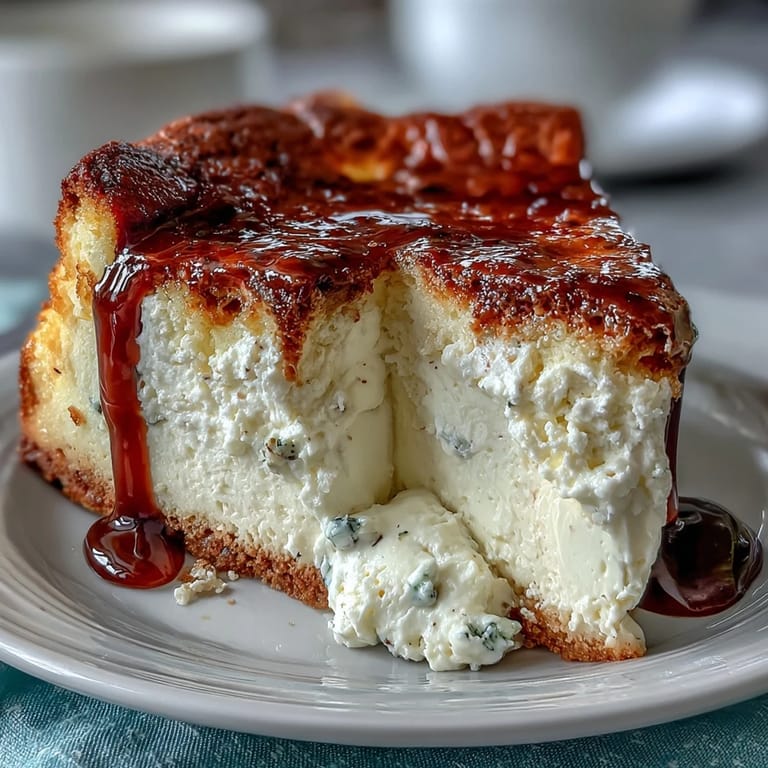
Save My aunt Maria brought this pie to every Easter gathering, and I spent years watching her work the pastry with such ease that it looked effortless. One spring, she finally let me help, and I discovered the real magic wasn't just in her technique but in how she'd hum while zesting lemons, filling the kitchen with this bright, citrusy energy. That pie became my gateway to understanding that Italian Easter desserts aren't just about tradition—they're about marking time and celebrating with people you love. Now when I make it, I find myself doing the same thing, humming along with the memory of her hands guiding mine.
I baked this for a small dinner party once, and a guest asked if I'd bought it from a bakery—I may have let her think that for a full ten seconds before confessing. Watching people's faces light up when they realize something this elegant came from your own oven is its own kind of reward. That night, the pie disappeared before coffee was even served, and someone asked for the recipe written down on a napkin before they left.
Ingredients
- All-purpose flour (2 cups for pastry, 2 tbsp for filling): The flour in the dough needs to be measured carefully—too much and your crust becomes tough, too little and it won't hold together, so I've learned to spoon and level rather than scoop.
- Granulated sugar (3/4 cup total, split between pastry and filling): Sugar in the pastry adds subtle sweetness and helps create a tender crumb, while the filling's portion should be whisked thoroughly into eggs to avoid grittiness.
- Unsalted butter, cold and cubed (1/2 cup): Cold butter is non-negotiable—it creates those precious little pockets that make pastry flake, so I keep mine in the freezer until the last moment.
- Eggs and egg yolk (4 large eggs total): One yolk enriches the pastry dough while the remaining three whole eggs bind and set the filling, creating that perfect texture between custardy and firm.
- Whole milk ricotta cheese, well drained (2 cups): This is the heart of the filling, and draining it thoroughly for at least an hour prevents a watery pie—excess moisture is the silent killer of this dessert.
- Fresh lemon zest (from 2 lemons): Zest just before making the filling so it's at its most fragrant, using a microplane to get those fine shreds that distribute evenly throughout.
- Lemon juice (1 tbsp): Brightens the filling without making it sour, but measure it carefully—too much can cause the filling to separate slightly during baking.
- Heavy cream (1/4 cup): This adds richness and helps keep the filling smooth and slightly loose, preventing it from cracking as it cools.
- Vanilla extract (1 tsp for dough, 1 tsp for filling): Don't skip this—it enhances the lemon without competing with it, almost like a whisper underneath.
- Salt (1/4 tsp for each component): Salt balances sweetness and makes flavors sing, so measure it even though it seems small.
- Powdered sugar for dusting: Applied just before serving, it gives a finishing touch and a hint of sweetness without overwhelming the delicate filling.
Tired of Takeout? 🥡
Get 10 meals you can make faster than delivery arrives. Seriously.
One email. No spam. Unsubscribe anytime.
Instructions
- Build your pastry base:
- In a large bowl, whisk together flour, sugar, and salt, then add your cold butter cubes and use your fingertips to rub everything together until it looks like coarse sand—this is where patience matters because you want those little butter bits to stay distinct. If your kitchen is warm, chill your bowl for a few minutes; I learned this the hard way when my pastry turned greasy mid-summer.
- Bring the dough together:
- Crack in the egg and egg yolk along with vanilla, then mix gently with a fork before adding cold water one tablespoon at a time, just until the dough pulls together without being wet. You'll know it's ready when it holds together but still feels slightly shaggy—resist the urge to overwork it.
- Rest and chill:
- Press the dough into a disk shape, wrap it tightly in plastic, and refrigerate for at least 30 minutes, or overnight if you have time. This resting period is when gluten relaxes and butter solidifies, making your crust tender and less likely to shrink in the oven.
- Prepare your pan:
- Preheat your oven to 350°F and lightly grease a 9-inch pie or tart pan—I use a light hand because excess grease can make the crust soggy. Set it nearby so your dough goes straight in once it's rolled.
- Roll and shape:
- On a lightly floured surface, roll your chilled dough to about 1/8-inch thickness, then gently transfer it to your pan by rolling it loosely around your pin or folding it gently into quarters. Press it carefully into the bottom and up the sides, trim the excess, and prick the base all over with a fork—those tiny holes prevent air pockets from puffing up unevenly.
- Give the crust a head start:
- Pop your prepared shell back in the fridge for 10 minutes while you make the filling—this helps it stay in shape during the initial bake.
- Mix the filling:
- In a large bowl, whisk together your drained ricotta, sugar, eggs, vanilla, lemon zest, lemon juice, flour, salt, and heavy cream until completely smooth, making sure no lumps of ricotta remain. The mixture should be creamy and cloud-like, and your whisking will take a couple of minutes.
- Pour and bake:
- Transfer the filling carefully into your chilled pastry shell and smooth the top with a spatula, then slide it into the oven for 55 to 60 minutes. You'll know it's done when the edges are set and lightly golden but the very center still has a slight wobble—that tiny jiggle means it'll be creamy when cooled, not rubbery.
- Cool with patience:
- Let the pie cool completely on a wire rack for at least an hour before chilling it in the refrigerator for at least 2 hours, preferably overnight. This cooling time lets the filling set properly and the flavors meld together beautifully.
- Finish and serve:
- Just before serving, dust the top generously with powdered sugar using a fine sifter or small strainer. Cut with a sharp, hot knife dipped in warm water between slices for clean edges.
 Save
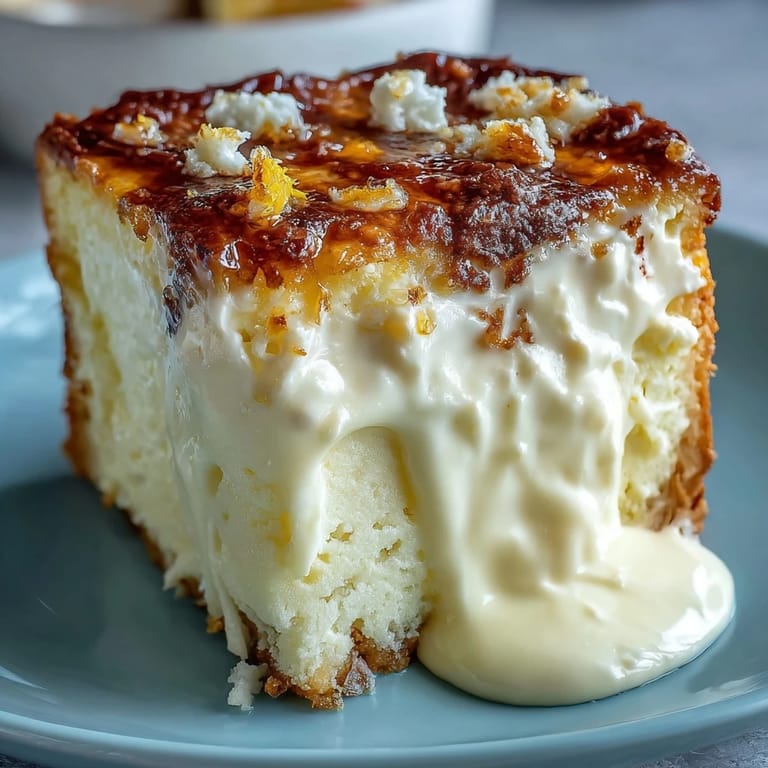
Save There was one Easter when my neighbor, who'd just moved in, smelled this baking and appeared at my door with the sweetest curiosity on her face. I sent her home with a slice wrapped in foil, and it became the start of a real friendship over desserts and coffee. That's when I truly understood that this pie isn't just about Easter anymore—it's become a quiet way of saying hello to people I care about.
Why Lemon and Ricotta Are Perfect Together
Ricotta has this delicate, almost neutral sweetness that needs a bright counterpart, and lemon provides exactly that without bullying the filling with sharpness. The citrus zest adds these tiny flavor bursts throughout rather than a one-note tang, while the juice helps keep everything light and prevents the filling from tasting heavy or cloying. Together, they create this perfect balance that tastes spring-like and clean, like something you'd want to eat on a warm afternoon with your eyes closed.
Making This Pie Your Own
While the classic version is already stunning, I've found that small additions can make it even more interesting depending on your mood or what's in season. A touch of orange zest alongside the lemon adds depth without changing the character of the pie, and fresh berries on top—raspberries or strawberries—make it look like you've spent all day on it. Some years I've scattered candied lemon peel on top after dusting with powdered sugar, which adds a little chewiness and extra citrus punch.
Timing and Make-Ahead Magic
This pie actually improves when made a day ahead, as the flavors settle and the filling becomes even creamier—I often bake it the day before Easter and simply dust it with powdered sugar just before guests arrive. The pastry can be made up to three days in advance and frozen, wrapped tightly, so you can split the work into manageable chunks. You can even prepare the ricotta filling up to eight hours ahead and keep it covered in the refrigerator, then pour and bake when you're ready.
- Assemble everything the night before except for the powdering step to reduce Easter morning stress.
- If you're serving at room temperature, take it out of the fridge about 30 minutes before slicing for the best flavor.
- Leftover slices keep well refrigerated for three days, and you can gently warm them if you prefer them less cold.
 Save
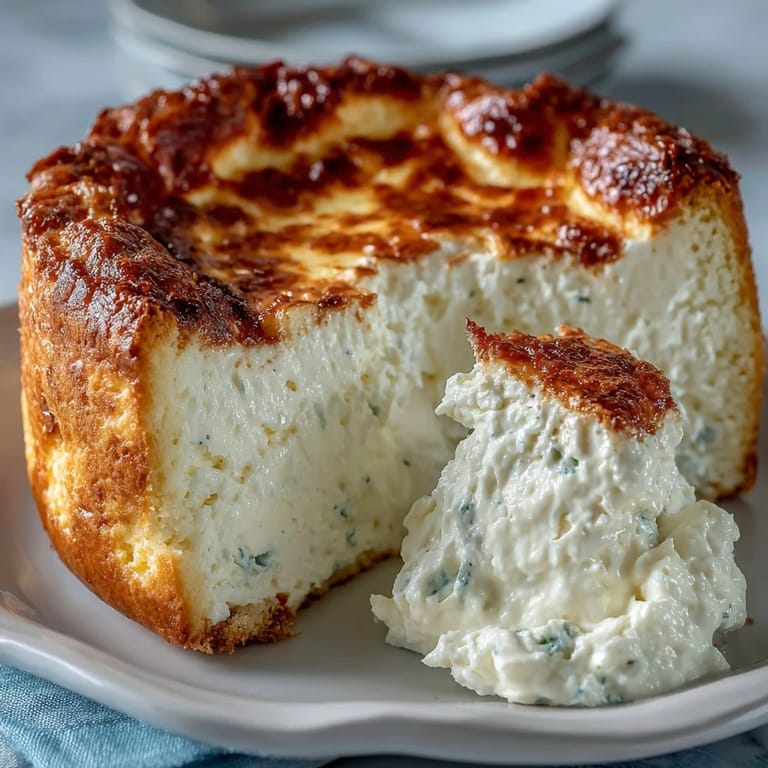
Save Every time I pull this pie from the oven, I'm transported back to my aunt's kitchen and forward to whoever's about to taste it, and that feeling never gets old. It's become my love letter to spring and to the people I share it with.
Cooking Q&A
- → What type of cheese is used for the filling?
Whole milk ricotta cheese is used for a creamy and smooth texture.
- → How is the lemon zest incorporated?
Fresh lemon zest and lemon juice are whisked into the ricotta mixture to add brightness and a subtle citrus flavor.
- → Can gluten-free flour be used for the crust?
Yes, gluten-free flour can substitute all-purpose flour for those avoiding gluten.
- → How long should the tart be chilled before serving?
It should chill for at least two hours to set properly and enhance the flavors.
- → What is the ideal baking temperature and time?
Bake at 350°F (175°C) for 55 to 60 minutes until the filling is set with a slight wobble in the center.
- → Is it possible to enhance the citrus flavor?
Yes, adding orange zest along with lemon zest can provide a more pronounced citrus aroma.