 Save
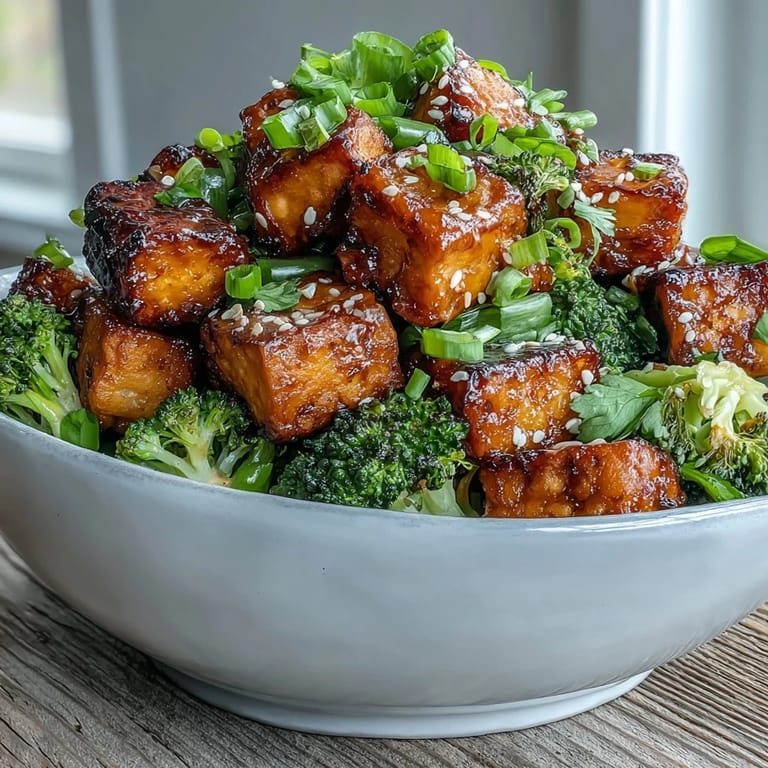
Save My wok sits on the stove most weeknights, and this teriyaki tofu stir-fry is the reason why. There was an evening when I had exactly thirteen minutes before my friend arrived for dinner, and I pulled together crispy tofu, bright vegetables, and a sauce that smelled so good it filled the entire apartment. What started as a desperate weeknight move became the dish I make on repeat, the one that proves plant-based cooking doesn't require complicated techniques or obscure ingredients. Now whenever someone says they're tired of cooking, this is my answer.
I made this for my colleague who mentioned offhandedly that she'd gone vegan, and I watched her face light up when she tasted the sauce—that moment when someone realizes plant-based food doesn't mean eating sad bowls of leaves. She asked for the recipe three times, once while eating, once after, and once via text the next morning. That's when I knew this wasn't just good food; it was the kind of meal that changed how people think about what's possible in their kitchen.
Ingredients
- Firm tofu (400 g): Press it well—I use a cloth and sit a cast iron pan on top for ten minutes—because moisture is the enemy of crispiness, and crispy is what makes this dish sing.
- Cornstarch (for coating): This creates that golden, almost crispy exterior that makes people forget they're eating tofu entirely.
- Vegetable oil (2 tbsp for frying): Medium-high heat is your friend here; too low and the tofu steams, too high and it burns before it crisps.
- Broccoli florets (300 g): Cut them small enough that they cook through but large enough that they keep their structure and don't turn into green mush.
- Snap peas (150 g): These stay bright and snappy if you don't overcook them—they're the textural anchor that keeps every bite interesting.
- Red bell pepper: The sweetness balances the savory sauce, and it adds color that makes the dish look like you spent way more time than you actually did.
- Soy sauce or tamari (60 ml): Tamari is my go-to because it's gluten-free and somehow tastes richer, though regular soy sauce works perfectly if that's what you have.
- Maple syrup (2 tbsp): A touch of natural sweetness that rounds out the umami from the soy sauce without making the sauce taste like dessert.
- Rice vinegar (1 tbsp): This adds brightness and cuts through the richness so the sauce doesn't become cloying.
- Sesame oil (1 tbsp): A small amount goes a long way—this is the ingredient that makes people stop mid-bite and ask what makes it taste so good.
- Fresh ginger and garlic: Freshly grated and minced, not from a jar, because the difference is noticeable and worth the thirty seconds it takes.
- Cornstarch slurry (1 tbsp cornstarch mixed with 2 tbsp water): This thickens the sauce so it clings to everything instead of pooling at the bottom of the pan.
Tired of Takeout? 🥡
Get 10 meals you can make faster than delivery arrives. Seriously.
One email. No spam. Unsubscribe anytime.
Instructions
- Press and cube your tofu:
- Cut the drained tofu into 2 cm cubes and toss them gently in a bowl with the cornstarch until each piece is evenly coated. This step takes two minutes and makes an enormous difference in the final texture.
- Get your tofu golden and crispy:
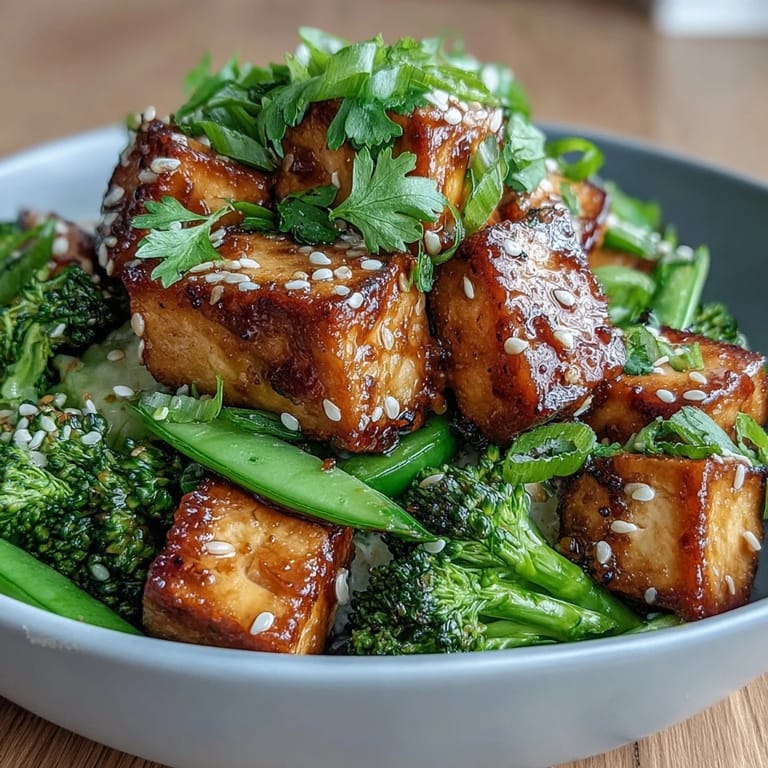
- Heat oil in your wok or large skillet over medium-high heat until it shimmers slightly, then add the tofu cubes in a single layer. Resist the urge to move them around constantly—let each side sit for a couple of minutes until it browns and crisps before turning. After about 8–10 minutes, when all sides are golden and crispy, move them to a clean plate.
- Stir-fry your vegetables until bright:
- In the same pan, toss in your broccoli, snap peas, and bell pepper, stirring constantly for 3–4 minutes until they're tender but still have a slight snap when you bite them. You should hear the sizzle and smell the vegetables caramelizing slightly.
- Whisk together your sauce while vegetables cook:
- In a small bowl, combine soy sauce, maple syrup, rice vinegar, sesame oil, ginger, and garlic, whisking until the maple syrup dissolves completely. Taste it on a clean spoon—it should hit you with savory, sweet, and bright all at once.
- Bring everything together:
- Return the crispy tofu to the pan with the vegetables, pour in the sauce, and stir gently so everything gets coated. Bring the whole thing to a gentle simmer.
- Thicken your sauce:
- Pour in your cornstarch slurry while stirring constantly, and cook for 1–2 minutes until the sauce becomes glossy and clings to the tofu and vegetables like a light glaze. Stop when it reaches that perfect consistency—thick enough to coat a spoon but still flowing enough to move around the pan.
- Finish and serve:
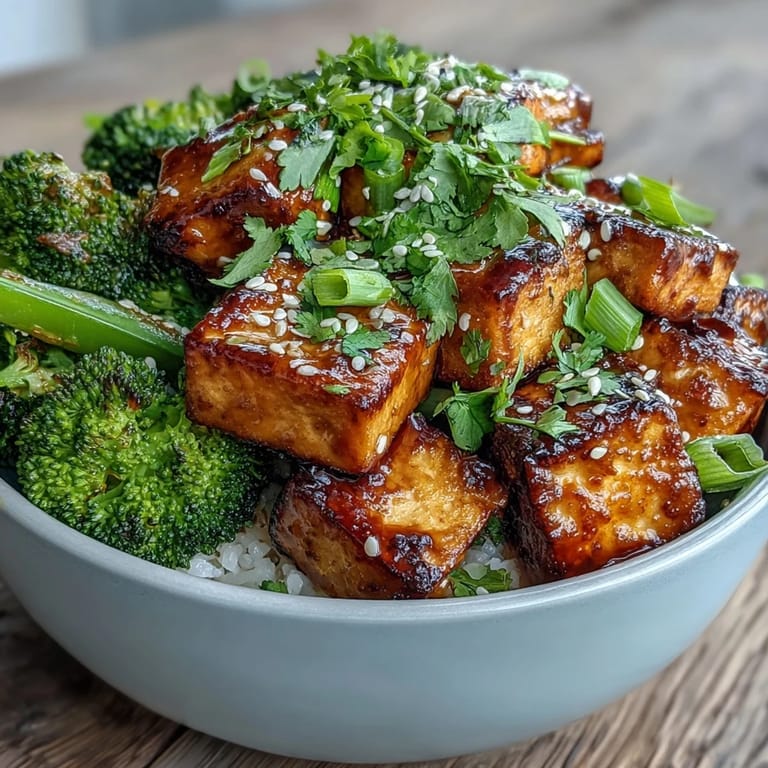
- Remove from heat, scatter sesame seeds and fresh spring onions over the top, and serve immediately over steamed rice or noodles. The sauce will continue to thicken slightly as it cools, so serve it right away while everything is hot.
 Save
Save There was a quiet Saturday morning when I made this for myself, no company, no occasion—just me at the kitchen counter realizing that I'd stopped making dishes for Instagram moments and started making them because they genuinely made me happy to eat. That's when food stops being a task and becomes something you actually look forward to.
The Secret to Crispy Tofu Every Time
Crispiness comes from three things working together: proper pressing beforehand, a hot enough pan with oil that actually shimmers, and the patience to let each side develop a golden crust before flipping. I used to rush this step, impatient to get to the sauce, but now I know that rushed tofu is the difference between a dish that impresses and one that's merely okay. The cornstarch coating is your structural friend here—it creates a protective layer that crisps up while the inside stays tender.
Vegetables That Stay Crisp and Bright
The key is not to overcook them, which sounds simple but requires actually paying attention instead of stepping away to check your phone. Broccoli florets should still have a slight resistance when you bite them, and snap peas should snap when you break one in half. When you add them to the hot pan, you'll hear an immediate sizzle—that's the sound of things cooking properly. The moment everything looks tender with just a whisper of color on the edges, you're done.
Making the Sauce Work
The balance between savory, sweet, and bright is delicate, and it's worth tasting as you go. I once forgot the rice vinegar and the sauce tasted one-dimensional and heavy, so now I always make sure all the components are there. Fresh ginger and garlic make an enormous difference—the bottled versions taste muted and slightly stale by comparison. The cornstarch slurry thickens everything into a glaze that looks restaurant-quality, which is deeply satisfying when you made it in your own kitchen.
- Tamari tastes slightly richer than regular soy sauce and is naturally gluten-free if that matters to you.
- Maple syrup adds complexity that regular sugar doesn't—it tastes more like a restaurant sauce.
- Don't skip the sesame oil because you think it's a minor ingredient; a small amount completely transforms the flavor profile.
 Save
Save This is the dinner you'll make on Tuesday when you're tired, on Sunday when you're meal-prepping, and on Friday when you're trying to impress someone. It's fast enough for weeknights but impressive enough for people who think plant-based cooking is complicated, which honestly might be its greatest superpower.
Cooking Q&A
- → How do you achieve crispy tofu in this dish?
Press the tofu to remove excess moisture, coat evenly with cornstarch, and fry over medium-high heat until golden and crispy on all sides.
- → Can I substitute the vegetables used here?
Yes, seasonal vegetables like bell peppers, snap peas, or broccoli can be swapped to suit preference or availability.
- → What thickens the teriyaki sauce in this preparation?
A cornstarch slurry mixed with cold water is stirred in near the end to create a glossy, thickened sauce that clings to the tofu and vegetables.
- → Is it necessary to marinate the tofu before frying?
Marinating tofu briefly in soy sauce enhances flavor but is optional if pressed and seasoned properly before cooking.
- → What are good accompaniments for this dish?
Steamed jasmine rice or cold soba noodles provide a perfect base, complementing the bold flavors and textures.