 Save
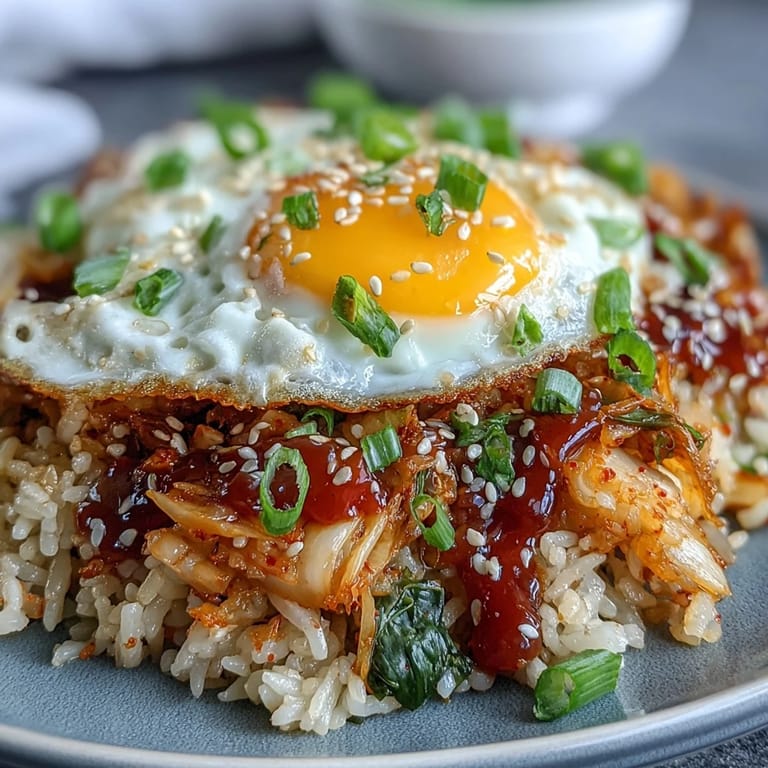
Save The sizzle of cabbage and the sharp aroma of kimchi in a hot skillet can turn any ordinary weeknight into something unexpectedly energizing. There’s this lively dance in the pan whenever I toss cold rice with spicy gochujang and hear that faint crackle as the starches loosen up. I first tried this kimchi cabbage fried rice recipe late one night, desperately hungry and short on groceries—shocked at how the leftovers became a little feast. Watching the egg whites set with their lacy crisp edges felt like a reward for such modest effort. And the truth is, kitchen improvisations are rarely this satisfying, but this dish pulls it off.
Once, when a friend stopped by unannounced, I scrambled to pull this together and—somehow—chatted and sliced cabbage at the same time. With every toss in the pan, we tasted and adjusted, laughing whenever we dropped a chunk of carrot or got a waft of lingering kimchi on our hands. Rice dishes invite casual company in a way few others do.
Ingredients
- Napa cabbage: Pick a cabbage with bright, crisp leaves; thin slicing helps it cook down quickly and blends better with the rice.
- Kimchi (with some juice): The funkier and older, the better; a splash of the juice adds a bonus punch, and chopping the kimchi finely ensures you get a bit in every bite.
- Green onions: Besides their color, they bring in freshness and mild bite—slice both white and green parts for layered flavor.
- Carrot: This is optional, but julienned strips add color and a hint of sweetness, which balances the kimchi spice.
- Cooked jasmine or short-grain rice (preferably day-old): Cold, day-old rice gets perfectly separated grains and that restaurant-style texture—fresh hot rice will turn mushy.
- Soy sauce: Adds savory depth; a good soy really makes a noticeable difference here.
- Gochujang: Just a hint brings addictive heat; if you skip it, your rice will be more mild but still flavorful.
- Toasted sesame oil: Stir it in at the end for irresistible aroma—it can burn quickly if added too soon.
- Sugar: Just a pinch takes the edge off the gochujang and kimchi.
- Ground black pepper: Use coarse pepper for satisfying little pops of heat.
- Eggs: Fried sunny-side up, the creamy yolk acts as a sauce for the rice.
- Neutral oil: Enough to get your veggies and egg sizzling without adding extra flavors; canola or vegetable works best.
- Toasted sesame seeds: Scatter them generously for nutty crunch at the end.
- Extra sliced green onions (for garnish): Fresh and bright on top, they’re a little pop of color and crunch after cooking.
Tired of Takeout? 🥡
Get 10 meals you can make faster than delivery arrives. Seriously.
One email. No spam. Unsubscribe anytime.
Instructions
- Prep your ingredients:
- Slice cabbage and carrots, chop kimchi, and keep that cold rice ready—it’s all about quick movement.
- Soften the veggies:
- Heat half the oil and toss in the cabbage and carrots; stir-fry until you hear a gentle hiss and they just start to go tender, about 2 minutes.
- Add the kimchi and green onions:
- Stir-fry until the kitchen smells pungent, and the kimchi is hot and releasing its juices, about 2 more minutes.
- Incorporate the rice:
- Break up the chilled rice with the back of your spatula and stir until every grain gleams with kimchi juice.
- Season it up:
- Drizzle in the soy sauce, gochujang, sesame oil, sugar, and pepper; keep the pan moving so nothing sticks, and cook for 3–4 minutes until steamy and fragrant.
- Taste and tweak:
- Sneak a forkful—add another dash of soy or a splash of kimchi juice if you want more punch.
- Fry your eggs:
- In a separate nonstick pan, heat the last bit of oil, crack in the eggs, and cook gently until the whites are just set and the yolks wobble invitingly.
- Assemble and garnish:
- Scoop rice into bowls, crown each with a fried egg, then sprinkle toasted sesame seeds and fresh green onions for flair.
 Save
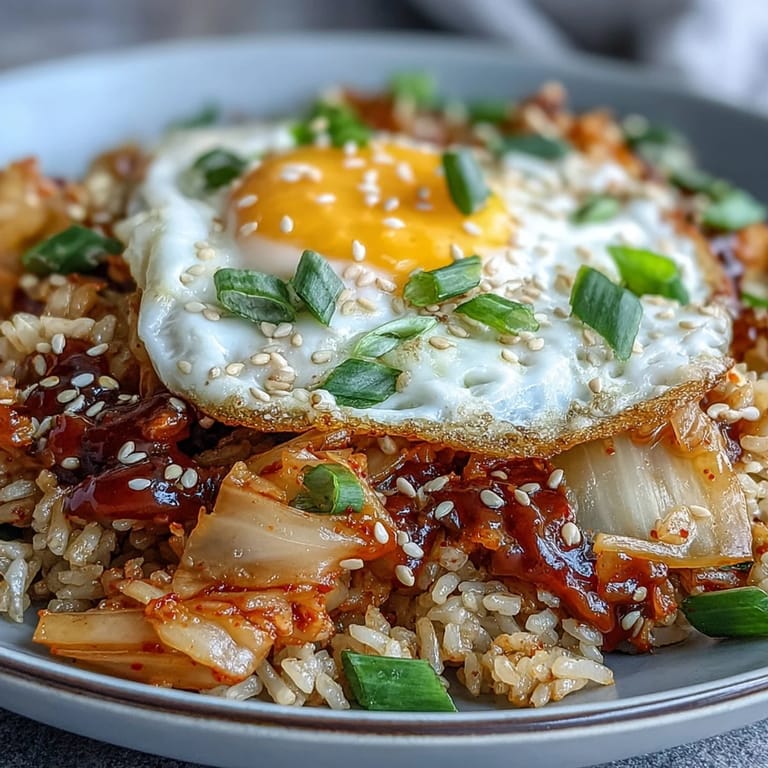
Save The night I realized this dish was more than just a meal, my neighbor poked his head in to ask what smelled so good in the hallway. We ended up splitting a second bowl at my kitchen counter, talking late into the evening over lingering, spicy bites and sticky fried egg yolk.
Choosing Your Kimchi Wisely
There are levels to kimchi: young and crisp, or older, funkier, and bold. I've learned that slightly aged, fiery kimchi transforms fried rice with complex depth while a milder version is perfect for those new to spice.
Finding the Best Rice Texture
A little patience goes a long way if you want those prized toasty, separate grains. Spreading day-old rice out on a plate before cooking (even for a few minutes) has saved me from mushy rice more than once.
Creative Add-Ins and Adjustments
This fried rice is your blank culinary canvas: toss in cubes of tofu for extra protein or add a scatter of crisp nori at serving. Swapping in quick-pickled radish or sautéed mushrooms changes the dish’s spirit every time.
- Don’t crowd the pan to keep the rice and veggies sizzling instead of steaming.
- For vegan, skip the egg and add extra veggies or tofu.
- A squeeze of fresh lime just before eating can brighten up everything.
 Save
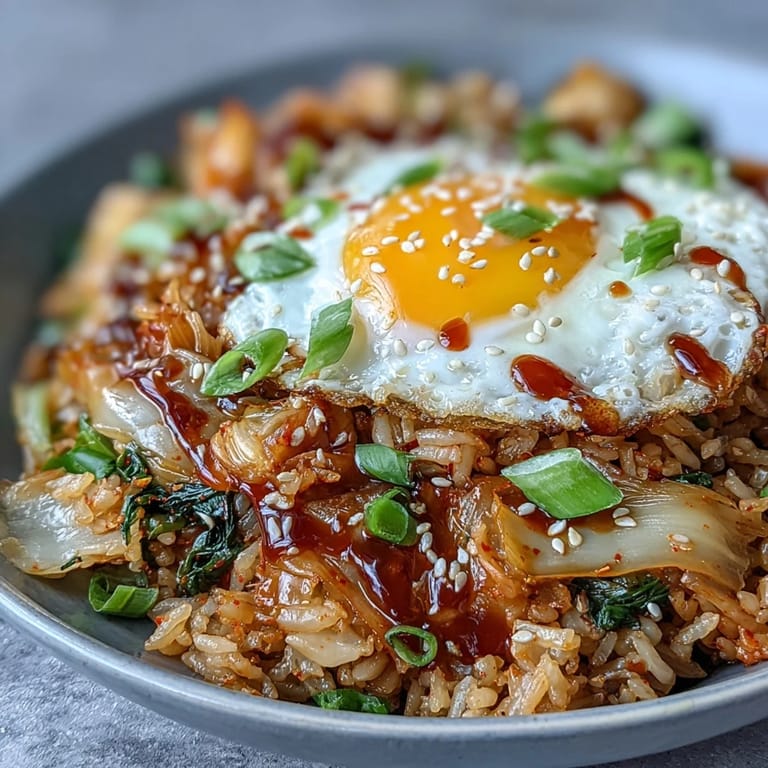
Save This is the sort of dish you’ll crave more than you expect, with every component letting you riff and react depending on what you have. I hope your kitchen feels just a bit more welcoming as you dig in.
Cooking Q&A
- → Can I use freshly cooked rice?
Day-old chilled rice gives the best texture because it’s drier and breaks apart easily. If using fresh rice, spread it on a tray to cool and let steam escape, or refrigerate briefly to firm it up before stir-frying.
- → How do I control the spice level?
Adjust gochujang to taste or omit it for a milder dish. The kimchi itself adds heat—rinse or squeeze out some kimchi juice to tame the spice while retaining the tang.
- → How do I keep the cabbage crisp-tender?
Stir-fry cabbage over medium-high to high heat for just a couple of minutes until it softens slightly but still has bite. Avoid overcrowding the pan so everything sautés rather than steams.
- → Can this be made vegan?
Yes. Use a vegan kimchi without fish sauce, skip the egg, and add sautéed mushrooms, marinated tofu, or pan-fried tempeh for a satisfying plant-based finish.
- → What rice works best?
Jasmine or short-grain rice that has been cooked and chilled works best. The firmer grains separate easily and soak up the seasonings without becoming mushy.
- → How should I store and reheat leftovers?
Cool quickly and store in an airtight container for 3–4 days. Reheat in a skillet over medium heat with a splash of soy sauce or water to loosen the grains; finish with a fresh sprinkle of sesame seeds and scallions.