 Save
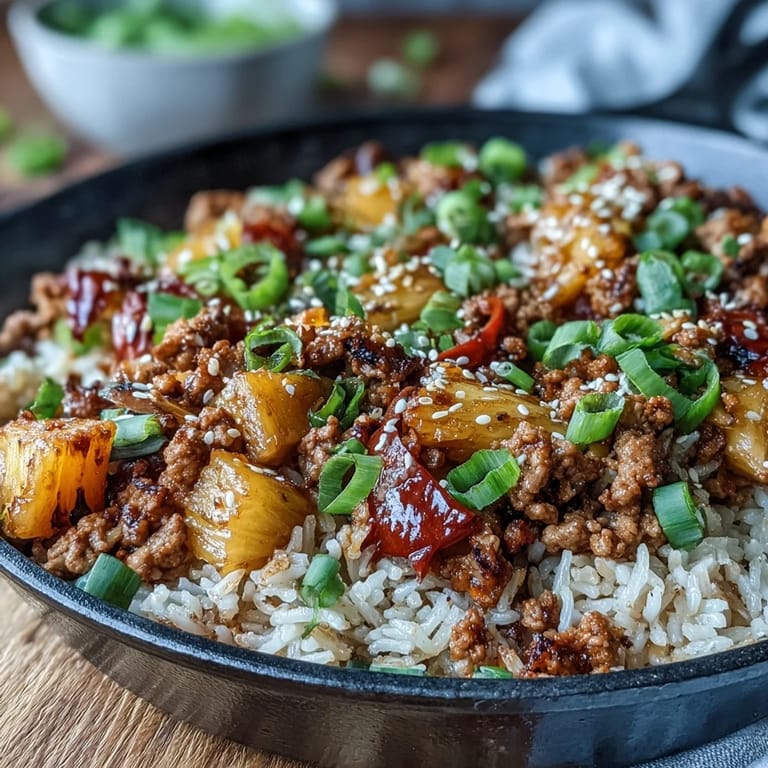
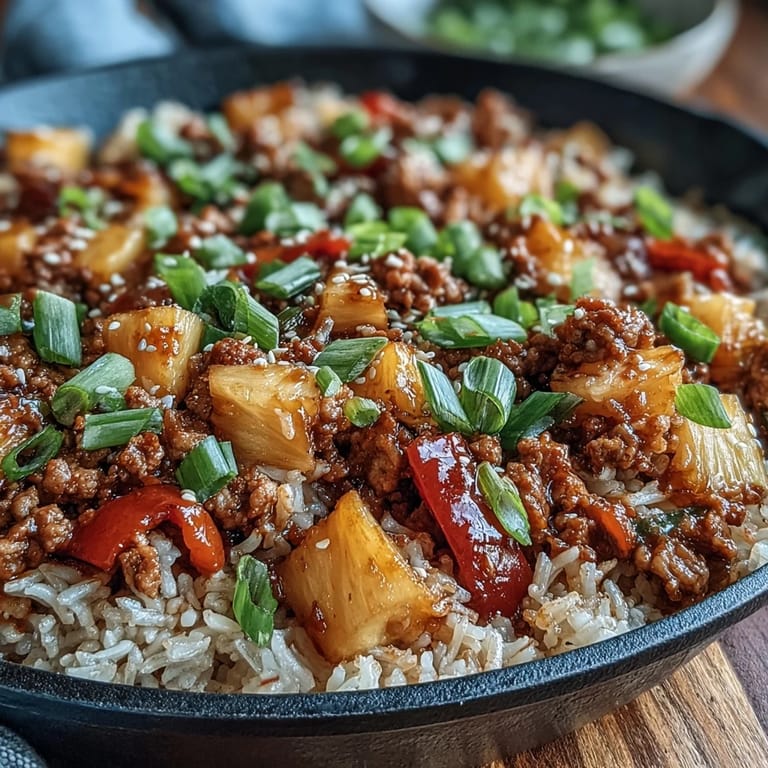
Save My cousin texted me a photo of her kitchen at midnight, pan still sizzling, asking why I'd never mentioned this skillet before. She'd thrown it together on a weeknight when the kids were demanding dinner that tasted adventurous but didn't require a trip to three different stores. The way the pineapple caramelized against the turkey, how the gochujang added that signature Korean heat without overwhelming everything else, it clicked for both of us immediately. Some dishes feel like discoveries you're supposed to keep secret, but this one begged to be shared.
I made this for a group of friends who were all tired of takeout decisions, and watching someone's face light up when they realized pineapple and gochujang belonged together was worth every chop of the bell pepper. One friend asked for the recipe between bites, then confessed he'd been intimidated by Korean cooking until that moment. That's when I realized this dish doesn't just feed people, it gives them permission to try something that sounds unfamiliar.
Ingredients
- Ground turkey (1 lb): Lean, quick to brown, and neutral enough to let the sauce shine without competing for attention.
- Yellow onion and bell peppers (1 medium onion, 1 red, 1 green): The trio creates natural sweetness and texture; don't skip the red one even if you're tempted.
- Garlic (3 cloves, minced): Mince it fine so it dissolves into the sauce rather than leaving sharp bite.
- Pineapple chunks (1 cup, fresh or canned): Fresh gives you juicier pops of flavor, but canned drained pineapple works beautifully and costs less fuss.
- Jasmine or long-grain rice (2 cups cooked, day-old): Leftover rice is actually your secret weapon here because fresh rice absorbs too much moisture and turns gluey.
- Vegetable oil (2 tbsp): High heat point keeps everything from sticking; sesame oil burns at this temperature so save it for the sauce.
- Soy sauce (2 tbsp, low sodium preferred): The backbone of umami that ties the sweet and sour together.
- Gochujang (1 tbsp): This Korean chili paste is where the complexity lives, adding depth that regular hot sauce can't touch.
- Rice vinegar (2 tbsp): The sharp acidity that makes everything pop and keeps sweetness from cloying.
- Brown sugar (2 tbsp): Dissolves into the sauce smoothly and rounds out the edges.
- Tomato ketchup (1 tbsp): Acts as a sweetener and thickener while adding subtle tomato undertones.
- Sesame oil (1 tsp): Drizzled in at the end, a little goes far; it smells like toasted sesame and tastes like finishing touch.
- Green onions (2, sliced) and sesame seeds (toasted, optional): Fresh green onions brighten everything right before serving; sesame seeds add texture and nod to the Korean roots.
Tired of Takeout? 🥡
Get 10 meals you can make faster than delivery arrives. Seriously.
One email. No spam. Unsubscribe anytime.
Instructions
- Brown the turkey:
- Heat oil in your skillet over medium-high until it shimmers, then add turkey and break it into small pieces with your spoon as it cooks. You'll smell it change from raw to cooked in about 5 to 6 minutes, and there shouldn't be any pink hiding in the corners.
- Build the vegetable base:
- Toss in the diced onion, both bell peppers, and garlic all at once, then let them soften for 4 to 5 minutes while you take a breath. The kitchen should smell like caramelizing onion and toasted garlic, which means you're right on track.
- Add the pineapple:
- Stir in your pineapple chunks and let them warm through for just a minute or two so they soften slightly but still hold their shape. This prevents them from turning to mush later.
- Mix the sauce:
- Whisk together soy sauce, gochujang, rice vinegar, brown sugar, ketchup, and sesame oil in a small bowl, making sure the gochujang breaks up and distributes evenly. The mixture will look thick and glossy, which is exactly right.
- Bring it together:
- Pour the sauce over everything in the skillet and stir until the turkey and vegetables are coated in that gorgeous reddish-brown glaze. It should coat the back of your spoon.
- Fold in the rice:
- Add your day-old rice a handful at a time, breaking up clumps gently so every grain gets coated without turning to mush. Stir-fry for 2 to 3 minutes until the rice is heated through and everything tastes like one unified dish.
- Taste and adjust:
- This is your moment to be honest about what it needs, whether that's more salt, more heat, or a squeeze more vinegar.
- Finish and serve:
- Remove from heat, scatter green onions and sesame seeds across the top if you're using them, and serve while it's still steaming.
 Save
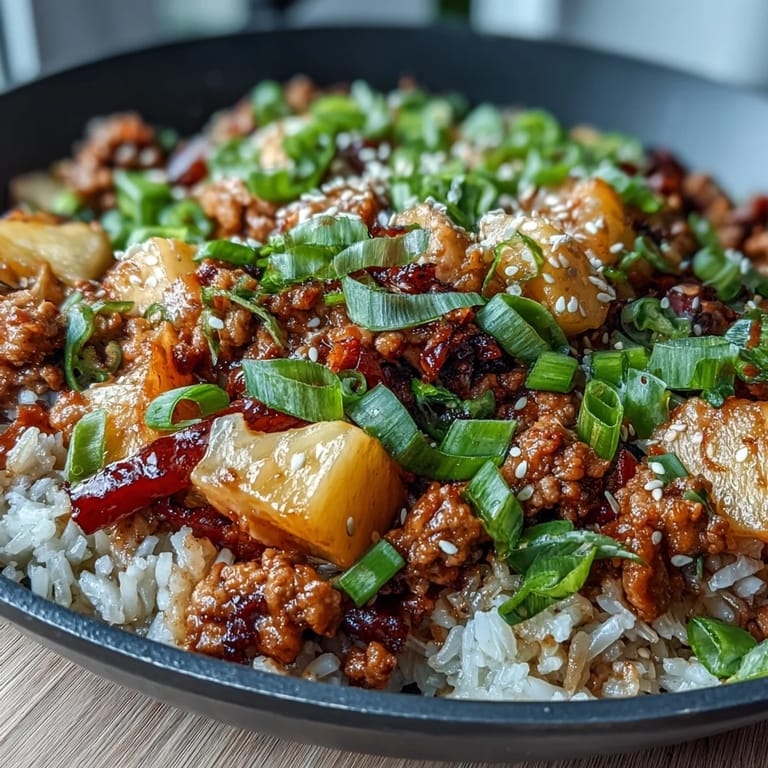
Save There's a moment, right when you fold in the rice and the whole skillet transforms from separate components into something unified, where you understand why fusion cooking matters. It's not about confusion or trying too hard; it's about honoring flavors that actually belong together even if they come from different corners of the world.
The Heat Question
Gochujang brings warmth that builds gradually rather than hitting you like a slap, which means most people find it approachable even if they usually shy away from spicy food. If you want to turn up the volume, add more gochujang or a pinch of red pepper flakes, but I'd suggest making it once as written first so you taste what the original balance is meant to do. Adjust from there once you know what you're working with.
Protein Flexibility
Turkey gets used here because it's lean and affordable, but ground chicken works just as well if that's what you have on hand. Pork brings a slightly richer flavor that pairs beautifully with the pineapple if you want to veer in that direction. The cooking time stays the same, and the sauce adapts to whatever protein you choose without complaint.
Making It Your Own
This is the kind of dish that invites tinkering once you understand the framework, and that's the beautiful part about it. You could add cashews for crunch, swap the peppers for snap peas if that's what's in your crisper drawer, or throw in fresh ginger if you want an extra layer of warmth. The foundations are strong enough to support your improvisation.
- Fresh pineapple will give you brighter juice that mingles with the sauce, while canned pineapple is more forgiving on both your budget and your prep time.
- If you're cooking for someone who avoids soy, tamari swaps in 1 to 1 though you'll want to adjust salt slightly since tamari can taste different across brands.
- Leftovers stay good in the fridge for three days and reheat beautifully either in the skillet with a splash of water or in the microwave if you're in a hurry.
 Save
Save This skillet has quietly become the recipe I reach for when I want to feed people something that tastes more interesting than it has any right to be given how simple it actually is. It's proof that good cooking isn't about complexity, it's about choosing the right flavors and letting them work together.
Cooking Q&A
- → What makes this dish Korean-inspired?
The inclusion of gochujang, a Korean chili paste, adds authentic heat and depth. Combined with sesame oil and traditional stir-fry techniques, it creates that distinctive Korean flavor profile while remaining accessible to home cooks.
- → Why use day-old rice?
Cooled, day-old rice has lower moisture content, preventing the skillet from becoming mushy. The grains separate easily during stir-frying, ensuring each piece gets coated in the sweet-sour sauce while maintaining a fluffy texture.
- → Can I make this dish spicier?
Absolutely. Increase the gochujang to 2 tablespoons, add red pepper flakes, or incorporate a diced Thai chili. The sweet-sour sauce balances additional heat beautifully, so don't hesitate to adjust to your preference.
- → What proteins work as substitutes?
Ground chicken, pork, or even crumbled tofu work well. The cooking times remain similar since you're browning ground meat. Just ensure whatever protein you choose is fully cooked before adding the vegetables.
- → How do I store leftovers?
Store in an airtight container in the refrigerator for up to 3 days. Reheat in a skillet over medium heat, adding a splash of water if needed to loosen the rice. The flavors often develop even more after resting.
- → Is this dish gluten-free?
It can be with simple substitutions. Use gluten-free soy sauce (tamari) and ensure your gochujang is gluten-free, as some brands contain wheat. The remaining ingredients naturally fit a gluten-free diet.