 Save
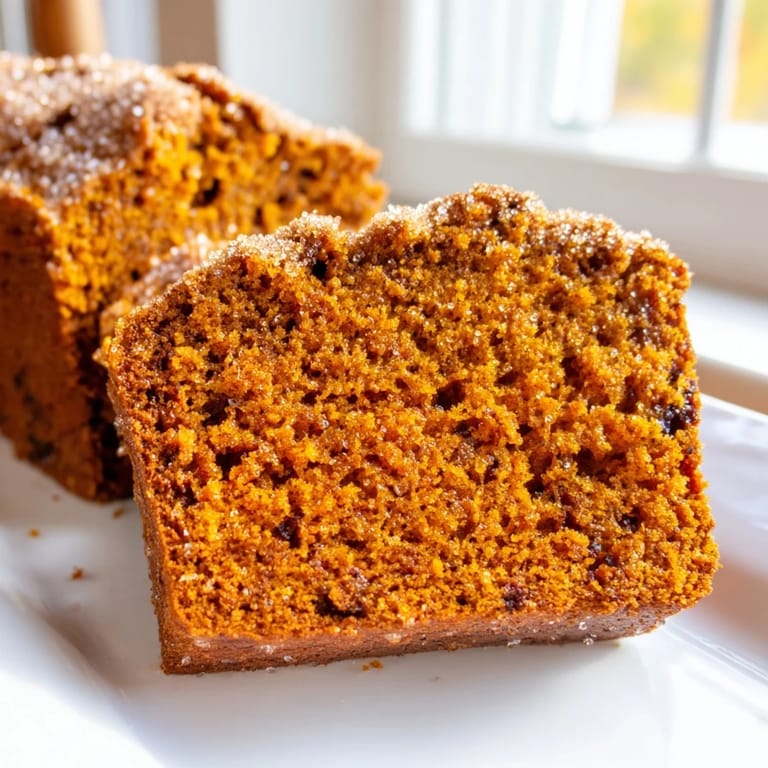
Save My kitchen filled with that particular kind of autumn quiet one October morning when I decided to make pumpkin bread for the first time in years. I'd grabbed a can of pumpkin purée on impulse at the grocery store, and suddenly there it was on my counter, waiting. What started as a simple breakfast idea turned into something I couldn't stop making—that warm spice aroma wrapping around everything, the way a slice tastes better each day as the flavors settle into themselves.
I baked this for my neighbor during that weird season when summer heat breaks but fall hasn't quite arrived. She knocked on my door three days later with an empty plate and a look that said everything. That's when I realized pumpkin bread isn't just a recipe—it's the kind of thing that makes someone feel remembered.
Ingredients
- All-purpose flour (2 cups): The foundation that keeps everything tender and light, so don't skip sifting it if your flour's been sitting in a humid kitchen.
- Pumpkin purée (1 ½ cups): Use the plain kind, not the pie filling sweetened version, or you'll wonder why your bread tastes more like candy than comfort.
- Cinnamon, nutmeg, cloves, and ginger (1 ½ teaspoons, ½ teaspoon, ¼ teaspoon, ¼ teaspoon): These spices are what make someone close their eyes on the first bite and just breathe.
- Granulated sugar and brown sugar (¾ cup and ½ cup): The combo of both gives you depth—brown sugar adds moisture that granulated alone can't quite achieve.
- Eggs (2 large): The binder that holds everything together, so use eggs at room temperature if you want the batter to come together smoothly.
- Vegetable oil (½ cup): Choose this over butter if you want the bread to stay moist for days, though melted butter works beautifully too and adds richness.
- Milk and vanilla extract (¼ cup and 1 teaspoon): These are the whispers that make the whole thing taste like it took more effort than it actually did.
- Baking soda and baking powder (1 teaspoon and ½ teaspoon): The difference between a dense brick and something that rises with purpose—measure these carefully.
- Optional walnuts, pecans, or chocolate chips (½ cup): These turn a simple bread into something people fight over.
Tired of Takeout? 🥡
Get 10 meals you can make faster than delivery arrives. Seriously.
One email. No spam. Unsubscribe anytime.
Instructions
- Get everything ready:
- Preheat your oven to 350°F and grease that loaf pan like you mean it, then line it with parchment paper so the bread slides out without argument. This setup takes two minutes and saves you the frustration of wrestling a warm loaf out of a stubborn pan.
- Combine the dry ingredients:
- Whisk together your flour, cinnamon, nutmeg, cloves, ginger, baking soda, baking powder, and salt in a large bowl until everything's evenly distributed. The spices should be impossible to miss in the flour—you want that warm color throughout.
- Mix the wet ingredients:
- In a separate bowl, whisk the pumpkin purée with both sugars, eggs, oil, milk, and vanilla until it's smooth and well combined. This should take about a minute of steady whisking, and you'll feel the mixture get lighter and a bit frothy.
- Bring it together gently:
- Pour the wet mixture into the dry ingredients and fold with a spatula until just combined—overmixing is the enemy here and will make your bread tough and dense. You want to stop while you can still see a few streaks of flour.
- Add your favorites:
- If you're using nuts or chocolate chips, fold them in now, making sure they're distributed throughout the batter so every slice gets some.
- Bake with patience:
- Pour the batter into your prepared pan, smooth the top, and slide it into the oven for 55 to 65 minutes, or until a toothpick poked into the center comes out clean with just a few moist crumbs clinging to it. The bread's done when your kitchen smells like spiced heaven and you can't wait another minute.
- Cool properly:
- Let it rest in the pan for 10 minutes—this matters because it firms up just enough to handle without falling apart. Then turn it out onto a wire rack to cool completely before you slice into it, or the inside will still be too tender and warm.
 Save
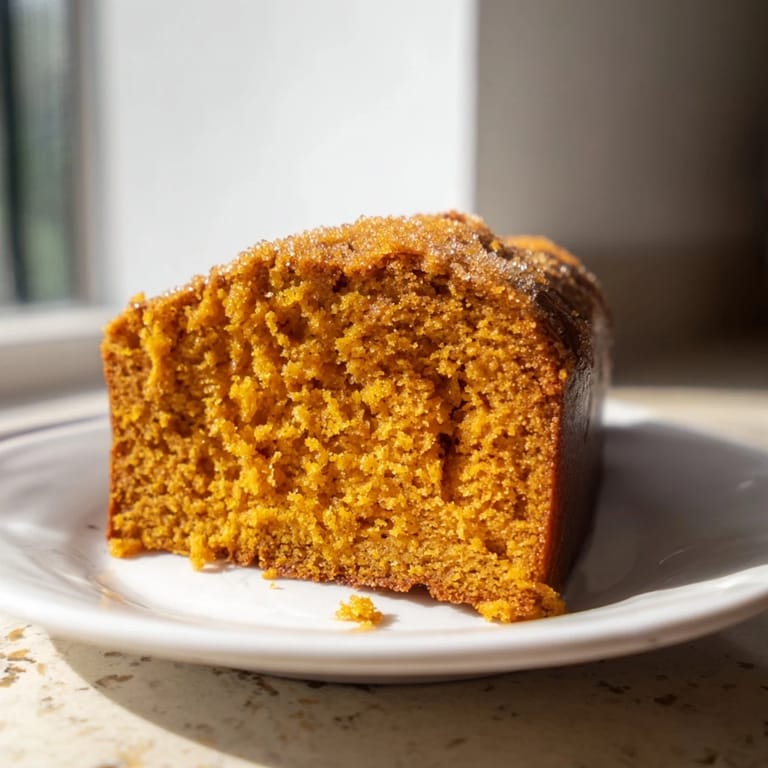
Save There's a moment between pulling the bread from the oven and slicing into it where everything feels right. That's when it stopped being a recipe for me and became proof that simple things, made with attention, are the ones people remember.
The Art of Texture
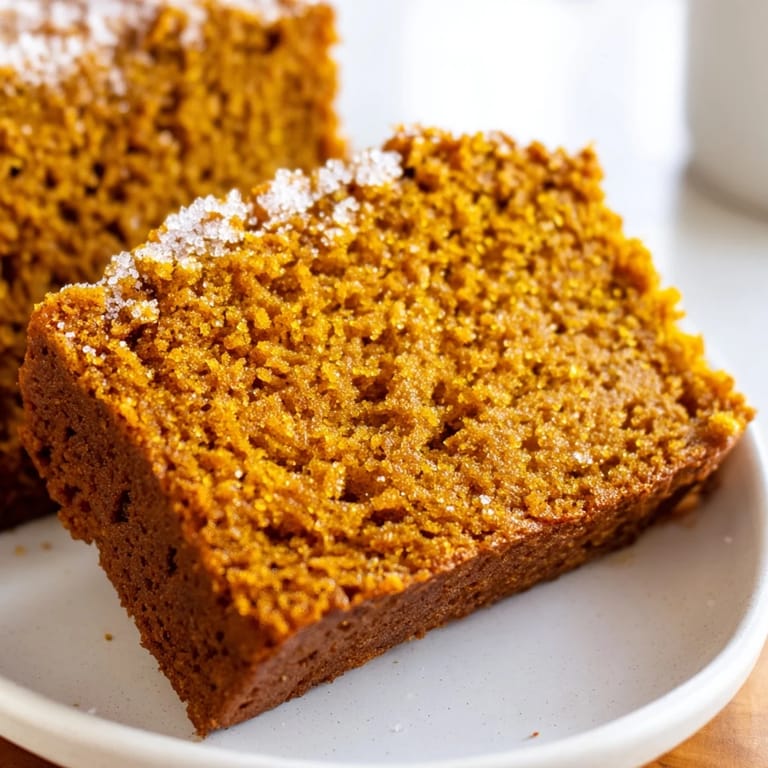
Pumpkin bread is all about moisture, and that's what separates a slice you'll finish in two bites from one that becomes dry by day three. The combination of pumpkin purée and oil creates a crumb that stays tender because the moisture doesn't evaporate as quickly as it would from a cake made with mostly butter. This is also why the brown sugar matters—it hygroscopic, meaning it pulls moisture from the air and keeps the bread softer longer. I learned this the hard way after making batch after batch, each one revealing something new about how these ingredients talk to each other.
Make It Your Own
This recipe is generous with its flexibility, which is part of why it works so well. You can swap the nuts for dried cranberries if you want brightness, or use pumpkin seeds for something toasted and earthy. Some people add a sprinkle of Demerara sugar on top before baking for extra crunch, and honestly, that small move makes the whole thing feel a bit more special without adding any real effort. I've also seen people add a quarter teaspoon of cardamom or a tiny pinch of clove for warmth that catches you by surprise.
Storage and Keeping
This bread improves with time in a way that most things don't. Day one is great, but day two or three is when all the flavors have settled into something deeper and more complex. Wrap it tightly at room temperature and it'll stay fresh for three days, or freeze it whole and it'll keep for two months, which is honestly brilliant because it means you can make it in September and still have pumpkin bread in November.
- Let the bread cool completely before wrapping or steam will make it soggy.
- Slice before freezing if you like being able to grab individual slices without thawing the whole loaf.
- A slice tastes lovely warmed gently in the toaster oven, bringing back that just-baked softness.
 Save
Save Make this bread when you need to remind yourself that good things don't have to be complicated. Slice a piece warm, maybe with a little butter, and notice how it tastes like autumn even if it's March.
Cooking Q&A
- → Can I use fresh pumpkin instead of purée?
Yes, but you'll need to cook and blend fresh pumpkin until smooth, then strain excess moisture. Use the same amount (1½ cups) as the canned purée called for in the ingredient list.
- → How do I know when the bread is fully baked?
Insert a toothpick into the center—it should come out clean or with just a few moist crumbs. The loaf should be golden brown on top. Baking typically takes 55–65 minutes at 350°F.
- → What's the difference between pumpkin purée and pumpkin pie filling?
Pumpkin pie filling contains added sugar, spices, and sometimes thickeners. Pure pumpkin purée is unseasoned, allowing you to control the spice blend and sweetness level in your loaf.
- → Can I freeze this bread?
Yes, wrap the cooled loaf tightly in plastic wrap and freeze for up to 2 months. Thaw at room temperature before serving. You can also freeze individual slices for easy portioning.
- → What can I substitute for walnuts or chocolate chips?
Try dried cranberries, pumpkin seeds, chopped pecans, white chocolate chips, or raisins. Add approximately ½ cup of your chosen add-in folded into the batter just before baking.
- → Why is my bread dense or heavy?
Overmixing the batter develops gluten and creates a dense crumb. Gently fold wet and dry ingredients together just until combined. Also ensure your baking soda and baking powder are fresh for proper rise.