 Save
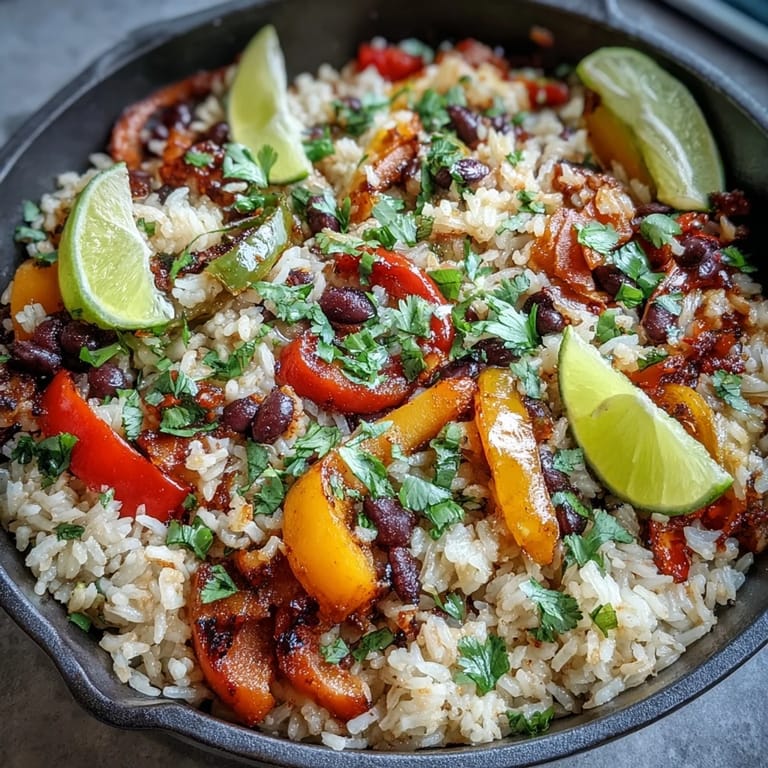
Save There was this Tuesday when my friend showed up unannounced with groceries and zero dinner plans, so I grabbed the biggest skillet I owned and started throwing things in without overthinking it. Twenty minutes later, we were eating straight from the pan while catching up on the kitchen counter, and that moment taught me that sometimes the best meals are the ones that feel effortless. This one-pan fajita rice skillet became my go-to move after that night—no fussy plating, no stack of dishes, just honest food that tastes like you actually tried.
I made this for a potluck once thinking vegan food might get pushed to the side, but instead it completely disappeared while other dishes lingered. A coworker actually asked for the recipe and started making it weekly, which felt like the highest compliment possible.
Ingredients
- Red, yellow, and green bell peppers: The color combination matters more than you'd think—it makes the whole dish look alive and vibrant, plus each pepper brings its own subtle sweetness to balance the spices.
- Red onion: Slicing it thin helps it disappear into the rice while adding a gentle bite and gorgeous color streaks throughout.
- Garlic and jalapeño: These are your flavor anchors; don't skip them even if you think you're cutting corners on prep time.
- Long-grain white rice: It stays separate and fluffy instead of turning mushy, which is essential for this dish to feel special rather than mushy.
- Black beans: Always rinse canned beans thoroughly to remove that cloudy liquid that can make the rice gummy.
- Diced tomatoes with juices: The liquid is crucial for cooking the rice properly, so don't drain them no matter how tempting that looks.
- Vegetable broth: The quality here genuinely matters—cheap broth tastes thin and salty, while a decent one rounds out the whole flavor profile beautifully.
- Ground cumin, smoked paprika, chili powder, coriander, and oregano: This spice blend is where the fajita magic happens; toasting them in the pan releases oils that make everything taste intentional and restaurant-quality.
Tired of Takeout? 🥡
Get 10 meals you can make faster than delivery arrives. Seriously.
One email. No spam. Unsubscribe anytime.
Instructions
- Heat and start with your base:
- Get your skillet warm over medium heat and add just enough oil to coat the bottom—you want it shimmering but not smoking. If you're going oil-free, a splash of water works fine and lets the natural sugars in the vegetables do the caramelizing work.
- Soften those peppers and onions:
- Throw in your sliced vegetables and let them sit undisturbed for a minute before stirring; this gives them a chance to pick up color and develop real flavor instead of just steaming. You're looking for soft edges and just a tiny hint of char, which usually takes about 4–5 minutes.
- Wake up the aromatics:
- Add garlic and jalapeño and let the heat coax out their fragrance—you'll smell when they're ready, which is usually after just 1 minute. This smell tells you everything is on track.
- Bloom your spices:
- Stir in all the dry spices and let them cook for about 30 seconds in the hot pan; this awakens their essential oils and prevents them from tasting dusty or raw in the finished dish. You'll notice the whole mixture smelling suddenly complex and inviting.
- Combine everything:
- Add the rinsed rice, drained beans, tomatoes with their juice, and vegetable broth all at once, stirring gently to make sure the rice isn't clumping and everything is evenly distributed. Take a moment to taste and adjust seasoning now, before it cooks.
- Bring to a boil and simmer:
- Let it bubble up, then immediately lower the heat to the gentlest simmer you can manage and cover with a lid. For white rice, 18–20 minutes is usually perfect; for brown rice, you're looking at 40–45 minutes, and the liquid should be completely absorbed.
- Rest and fluff:
- When the rice is tender and the liquid is gone, turn off the heat and let it sit covered for 5 minutes—this allows everything to settle and the flavors to meld. Then fluff gently with a fork to separate the grains.
- Taste and finish:
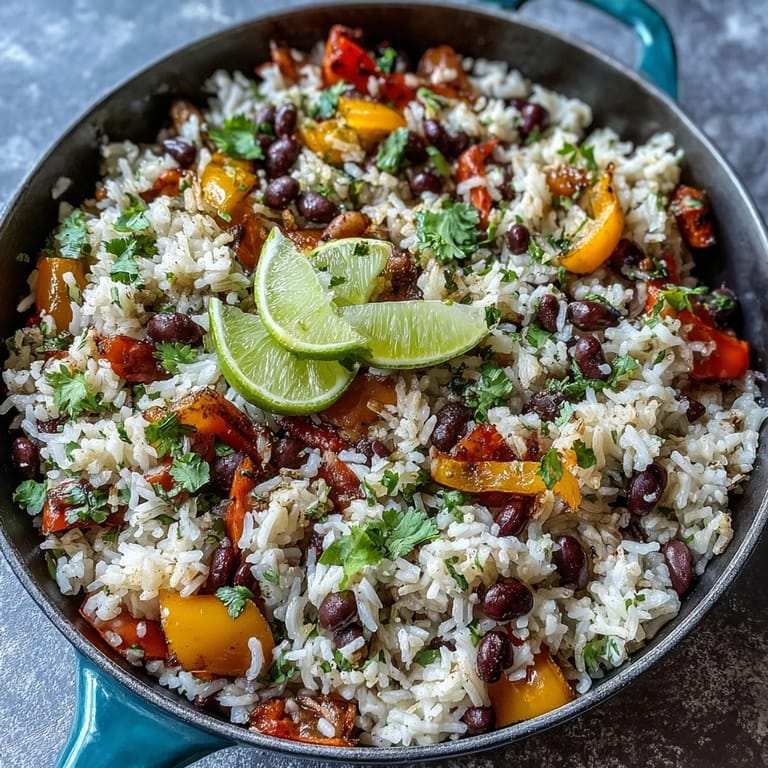
- Before serving, always taste and adjust salt and pepper because these seasons can shift during cooking. Serve straight from the pan with cilantro, lime, and whatever else sounds good in that moment.
 Save
Save My favorite part of making this dish is watching someone's face when they take the first bite and realize how much flavor came from one single pan. It's the kind of food that makes people slow down and actually taste their dinner instead of just eating on autopilot.
Why This Works as a Weeknight Winner
The magic here is that you're not juggling multiple pots or waiting for separate components to finish cooking at different times. Everything hits the pan together and cooks on its own timeline, which means you can actually relax instead of hovering over the stove. I've made this on nights when I had zero energy and nights when I wanted to impress someone, and it never once let me down.
Customizing Without Losing the Plot
One of the best things about this recipe is how flexible it actually is without feeling like you're making something different. Brown rice works beautifully if you have time and want extra fiber, though it does need longer to cook and a splash more broth. You can play with heat levels by adjusting the jalapeño or adding a pinch of chipotle powder if you want something smokier, or dial it back completely if you're cooking for people who prefer milder flavors.
Making It Feel Fresh Every Time
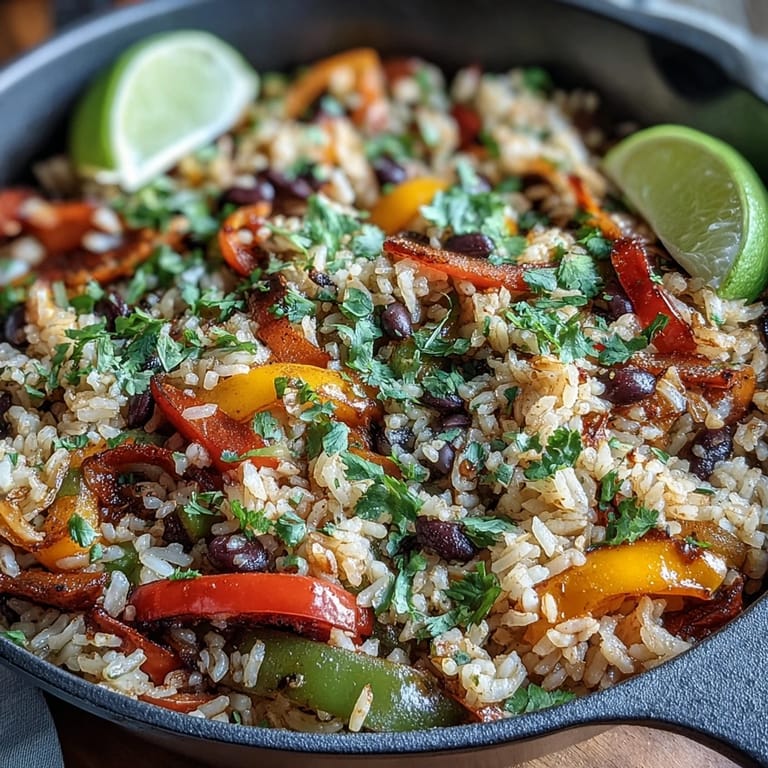
The garnishes are where this dish gets personality—fresh cilantro and a squeeze of lime completely change the flavor profile compared to eating it plain. A dollop of vegan sour cream or sliced avocado adds richness without making the base recipe less healthy, and these additions take maybe 30 seconds of effort. If you want extra protein, cube and sauté some tofu separately while everything is cooking, then fold it in at the end for something more substantial.
- Leftovers actually taste even better the next day after flavors have time to mingle, and they keep perfectly in the fridge for up to 3 days.
- This scales beautifully if you're cooking for more people—just multiply ingredients and use a larger skillet or work in batches.
- Keep lime wedges nearby because that final squeeze of acid is the difference between good and memorable.
 Save
Save This dish has become my answer to busy weeknights and unexpected guests because it somehow manages to be both effortless and genuinely delicious. Make it once and it'll probably end up in your regular rotation like it did mine.
Cooking Q&A
- → Can I use brown rice instead of white rice?
Yes, brown rice can be used but requires longer cooking (40-45 mins) and more broth for proper tenderizing.
- → What spices create the fajita flavor in this dish?
Ground cumin, smoked paprika, chili powder, coriander, and oregano combine to create the smoky, spicy fajita flavor.
- → How can I add more protein to this meal?
Adding cubed, sautéed tofu before serving boosts the protein content while keeping the dish vegan.
- → Is this dish suitable for gluten-free diets?
Yes, this dish is naturally gluten-free, but check labels on broth and canned beans for potential cross-contamination.
- → Can this be cooked oil-free?
Yes, sauté the vegetables using a splash of water instead of oil to keep it oil-free without sacrificing flavor.