 Save
Save I stirred a spoonful of ricotta into hot pasta one Tuesday night when my fridge was nearly empty, squeezed half a lemon over it, and tasted something that made me actually stop chewing. The creamy tang was so bright and satisfying that I made it again the next night, this time with proper measurements. Now it's what I crave when I want something that feels special but doesn't require a trip to three different stores or an hour at the stove.
I served this to a friend who showed up unexpectedly one spring evening, and she asked for the recipe before she even finished her bowl. We sat on my small balcony with our pasta, a bottle of cold white wine, and the windows open to let in the smell of blooming jasmine. She said it tasted like something you'd eat in a sunlit Roman apartment, which felt like the highest compliment I'd ever received for a dish I threw together in under half an hour.
Ingredients
- Spaghetti: Use a good quality dried pasta that holds its shape and has a slightly rough texture so the sauce clings beautifully.
- Ricotta cheese: Whole-milk ricotta makes all the difference here, it's creamier and richer than part-skim and becomes the silky base of your sauce.
- Lemon: Both the zest and juice are essential, the zest gives floral brightness while the juice adds that sharp, sunny acidity.
- Parmesan cheese: Freshly grated is non-negotiable, the pre-shredded stuff won't melt into the sauce the same way and lacks that nutty depth.
- Olive oil: A fruity extra-virgin olive oil adds richness and helps the sauce coat the pasta without feeling heavy.
- Garlic: Just one small clove finely grated gives a gentle background hum without overpowering the delicate lemon.
- Black pepper and salt: Freshly cracked pepper adds a little heat and complexity, while sea salt balances the richness of the cheese.
- Fresh herbs: Basil or parsley at the end brings a pop of green and a fresh herbal note that makes the whole dish sing.
Tired of Takeout? 🥡
Get 10 meals you can make faster than delivery arrives. Seriously.
One email. No spam. Unsubscribe anytime.
Instructions
- Boil the pasta:
- Bring a large pot of water to a rolling boil, salt it generously until it tastes like the sea, then cook your spaghetti until it's just al dente with a slight bite in the center. Before you drain it, scoop out half a cup of that starchy cooking water, it's liquid gold for making your sauce cling.
- Make the ricotta-lemon sauce:
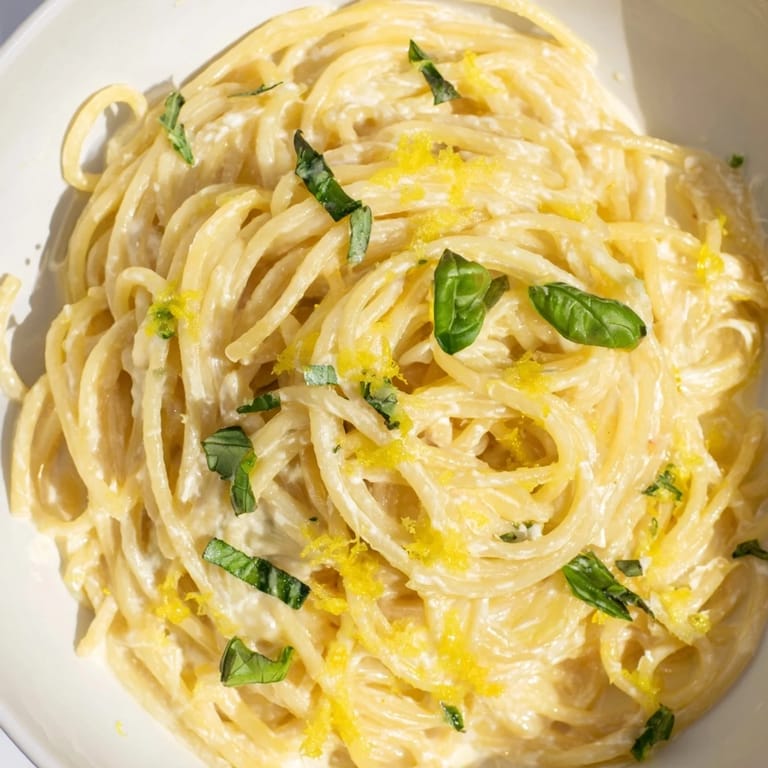
- While the pasta bubbles away, whisk together ricotta, lemon zest, lemon juice, Parmesan, olive oil, grated garlic, pepper, and salt in a large bowl until it's smooth and creamy. This only takes a minute or two, and the smell of lemon zest hitting the ricotta is one of the best parts of making this dish.
- Toss the pasta with the sauce:
- Add the hot drained spaghetti directly into the bowl with the ricotta mixture and toss everything together with tongs, adding splashes of pasta water bit by bit until the sauce is silky and coats every strand. The heat from the pasta will warm the sauce and help everything come together into something luxurious.
- Garnish and serve:
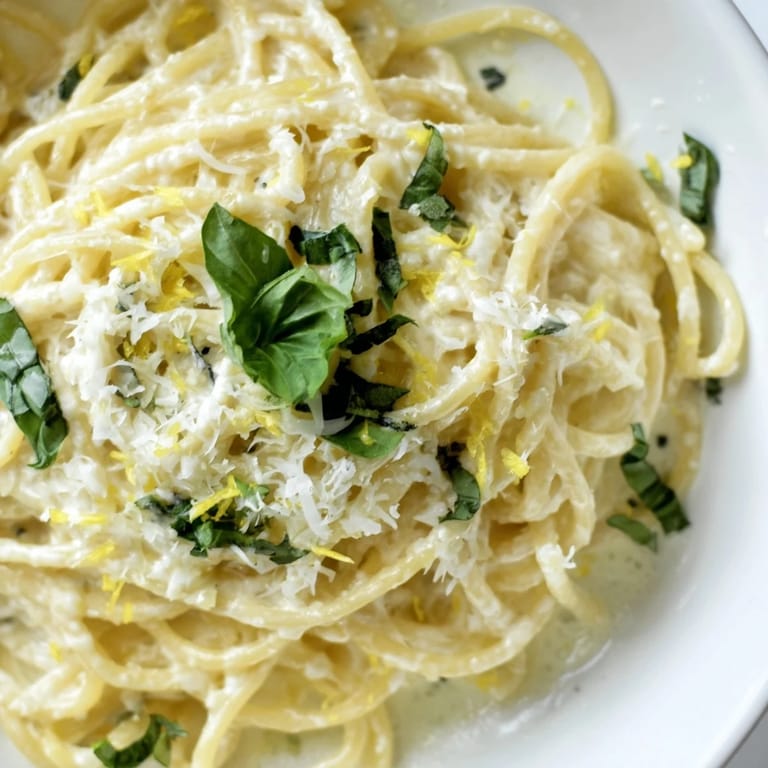
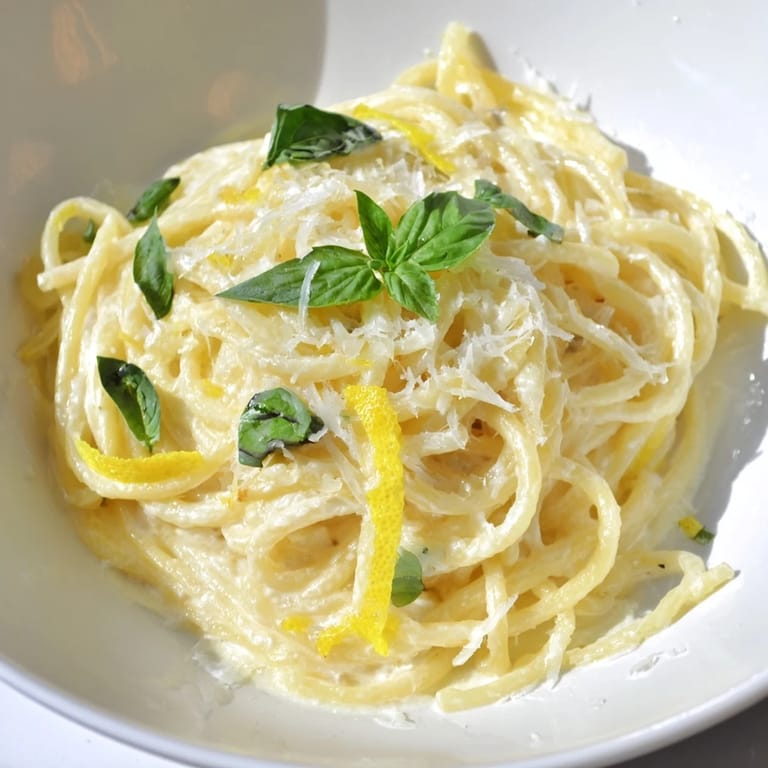
- Divide the pasta among bowls, then top each one with extra Parmesan, a scattering of fresh basil or parsley, more lemon zest, and a generous grind of black pepper. Serve it immediately while it's hot and creamy, because this pasta is at its absolute best in those first few minutes.
 Save
Save The first time I made this for my parents, my mom took one bite and said it reminded her of a dish she ate on her honeymoon in Sorrento, which made my dad laugh because he remembered it completely differently. They spent the rest of dinner debating whether it had basil or mint, but they both agreed mine was delicious, and that felt like winning.
How to Choose the Right Pasta
Long thin pastas like spaghetti, linguine, or even angel hair work best here because they twirl beautifully with the creamy sauce and give you a little bit of everything in each bite. I've tried this with short pasta like penne, and while it's still good, it doesn't have that same elegant, cohesive feel. If you want to use fresh pasta, reduce the cooking time and be extra gentle when tossing so it doesn't break apart.
Make It Your Own
This recipe is a gentle foundation that welcomes all kinds of additions without losing its bright simplicity. I've folded in blanched asparagus tips in spring, sweet peas in summer, and sautéed mushrooms in fall, and each version felt like a different dish entirely. A handful of arugula tossed in at the end wilts just enough to add a peppery bite, or you can stir in some cooked shrimp or shredded rotisserie chicken if you want more protein.
Storing and Reheating
This pasta is really best eaten fresh, but if you have leftovers, store them in an airtight container in the fridge for up to two days. When you reheat it, add a splash of milk or a spoonful of ricotta and a little pasta water or olive oil to bring the sauce back to life, because it will thicken and dry out as it sits. I usually reheat it gently in a skillet over low heat, stirring constantly, rather than microwaving, which can make the texture weird.
- If the sauce looks too thick after reheating, thin it with a tablespoon of warm water or milk at a time.
- Taste and adjust the seasoning after reheating, you might need a squeeze of fresh lemon or a pinch of salt.
- Garnish with fresh herbs again before serving, it makes the leftovers feel less like leftovers.
 Save
Save This is the kind of pasta that makes you feel capable and calm, even on the messiest of days. I hope it becomes one of those recipes you turn to without thinking, the way I do now.
Cooking Q&A
- → Why is it important to reserve pasta water?
Pasta water contains starch that helps emulsify the ricotta sauce, creating a creamy coating rather than a chunky texture. Add it gradually to achieve the perfect consistency.
- → Can I use low-fat ricotta instead of whole-milk?
Whole-milk ricotta provides superior creaminess and richness. Low-fat versions may result in a thinner sauce, though you can compensate by using less pasta water.
- → What vegetables pair well with this dish?
Sautéed spinach, fresh peas, blanched asparagus, or roasted zucchini complement the lemon-ricotta sauce beautifully without overpowering the delicate flavors.
- → How do I prevent the sauce from breaking?
Keep the sauce cool when tossing with hot pasta, add pasta water gradually, and avoid high heat. Ricotta-based sauces are temperature-sensitive and benefit from gentle handling.
- → Can I make this ahead of time?
The ricotta-lemon sauce can be prepared up to 4 hours ahead and refrigerated. Cook the pasta fresh when ready to serve, then combine and add pasta water to reach desired consistency.
- → What wine should I serve with this pasta?
Crisp white wines like Sauvignon Blanc, Pinot Grigio, or Vermentino pair beautifully, their acidity complementing the lemon and creamy richness of the dish.