 Save
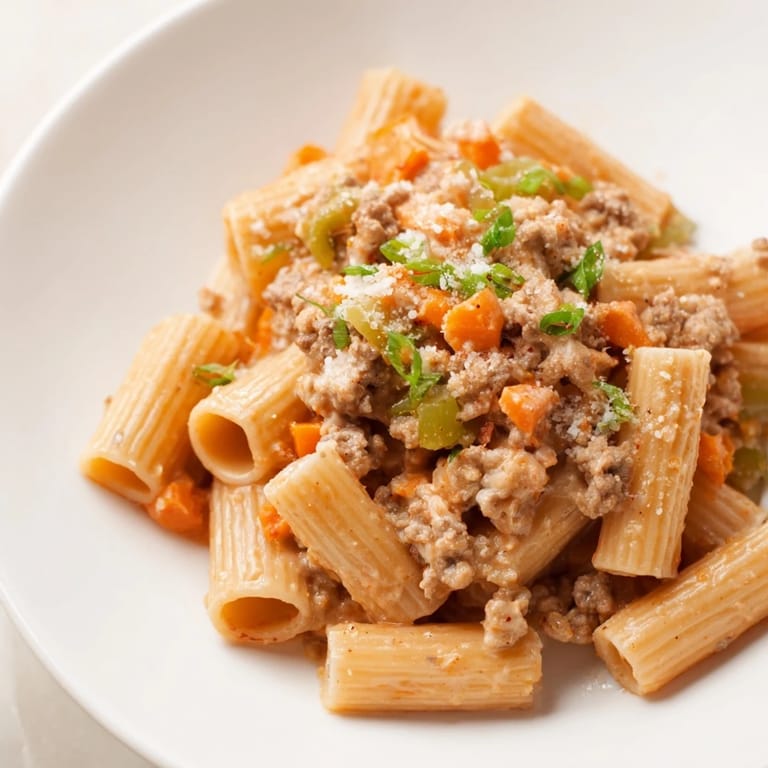
Save I discovered this dish by complete accident one rainy Tuesday when I had leftover kimchi in the fridge and a craving for creamy pasta. Instead of making something traditional, I thought: what if I treated the kimchi like it belonged in a ragu? The first spoonful was a revelation—spicy, rich, tangy, and absolutely nothing like I expected. Now it's become my favorite way to use up kimchi and impress people who think they know what fusion cooking should taste like.
The first time I made this for friends, someone asked what was in the sauce before tasting it, then immediately stopped asking questions and just ate. That moment—when curiosity turned into quiet satisfaction—told me everything I needed to know about this recipe. It's become the dish I make when I want to shift the energy in a room from ordinary to memorable.
Ingredients
- Ground pork: Use a 50/50 blend with beef if you want deeper flavor, or stick with pork for something slightly leaner and more delicate.
- Napa cabbage kimchi: Don't skip the kimchi juice—it's where all the funk and depth lives, and it's non-negotiable for this sauce.
- Onion, garlic, carrot, and celery: These are your flavor foundation, so chop them small and fine so they soften quickly and integrate into the sauce.
- Crushed tomatoes: Canned is perfectly fine and saves you the hassle; just make sure it's pure tomato with no added sugar.
- Heavy cream: This mellows the heat and adds richness; coconut cream works beautifully if you want dairy-free.
- Soy sauce: A tablespoon adds umami depth that makes the whole dish taste more intentional.
- Gochugaru: The optional chili flakes amplify the spice, but you can leave them out if you prefer a milder heat.
- Rigatoni or penne: Their ridges and shapes catch the sauce better than spaghetti, so don't try to get clever with thin pasta here.
Tired of Takeout? 🥡
Get 10 meals you can make faster than delivery arrives. Seriously.
One email. No spam. Unsubscribe anytime.
Instructions
- Build your base:
- Heat olive oil in a large skillet over medium-high heat and add the onion, carrot, and celery. You're looking for them to soften and become translucent, which takes about 5 minutes. Listen for a gentle sizzle and smell the sweetness coming out of the vegetables.
- Add aromatics:
- Toss in the minced garlic and cook for just 1 minute until it becomes fragrant. This is your cue that everything is ready for the meat; any longer and the garlic burns.
- Brown the meat:
- Add your ground pork and break it up as it cooks, pushing it around the pan for 6–7 minutes until it's browned and no pink remains. The browning is crucial—it adds color and depth to the final sauce.
- Introduce the kimchi:
- Stir in the chopped kimchi and its juice, then let it soften for 3–4 minutes. You'll notice the sauce turning a deeper red and the kitchen suddenly smelling like a Korean restaurant, in the best way possible.
- Simmer the sauce:
- Add the crushed tomatoes, soy sauce, gochugaru if you're using it, and a pinch of sugar. Simmer uncovered for 15–20 minutes, stirring occasionally, until the sauce thickens and the edges look rich and glossy. Taste it along the way and adjust your salt and pepper.
- Cook your pasta:
- While the ragu simmers, bring a large pot of salted water to a boil and cook your pasta according to package directions until al dente. Before draining, reserve a mug of pasta water—this is your secret weapon for getting the sauce to coat everything perfectly.
- Bring it together:
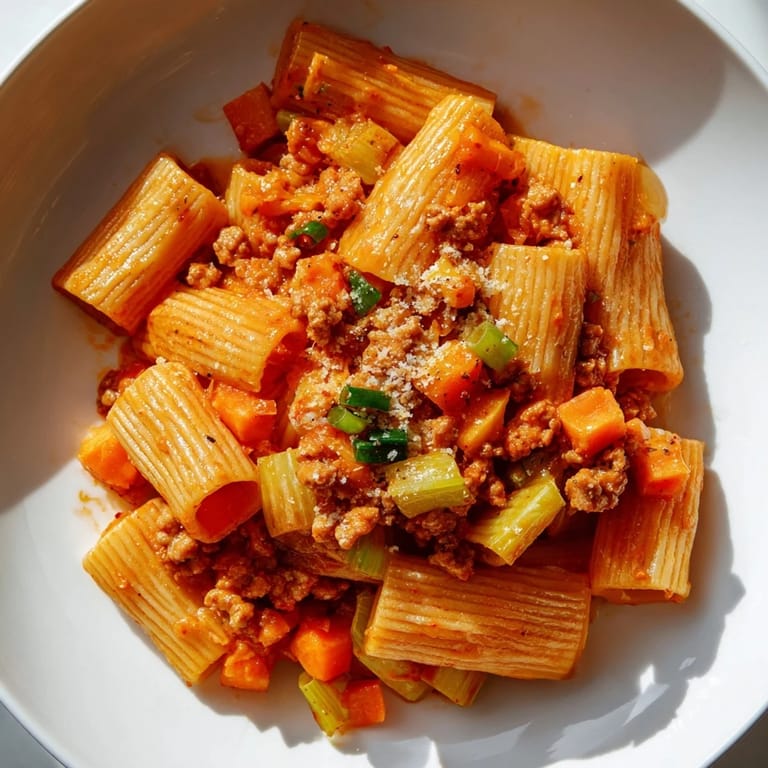
- Reduce the ragu heat to low and stir in the heavy cream and about half your pasta water. Watch as the sauce turns creamy and shifts to a beautiful coral color. Add the cooked pasta directly to the ragu and toss everything together, adding more pasta water if it seems too thick.
- Plate and finish:
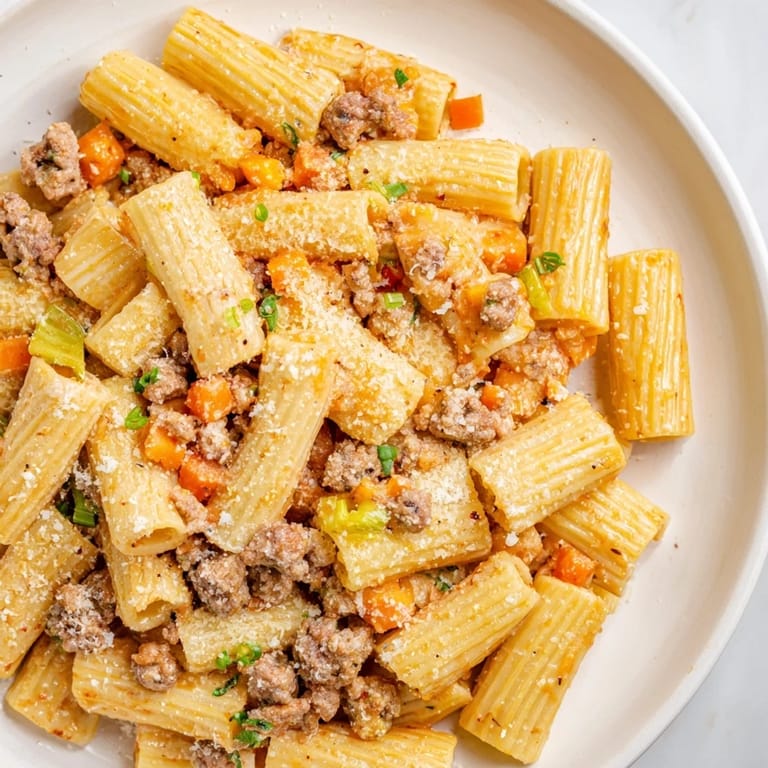
- Serve immediately while it's hot, scattered with fresh scallions and a handful of Parmesan if you like. The cheese melts into the warmth and adds a salty contrast to the spice.
 Save
Save There's something about serving this to someone who walks in expecting one thing and gets something entirely different that makes cooking feel worthwhile. This dish has a way of starting conversations about flavor boundaries and pushing people's comfort zones in the gentlest, most delicious way possible.
Why Kimchi Belongs in Italian Cooking
Kimchi is basically fermented funk and umami in a jar, which makes it far more similar to Italian ingredients than you'd think. The fermentation process creates the same depth that comes from aged Parmesan or a long-simmered tomato sauce, so combining them feels less like fusion and more like honoring what both cuisines already know about building flavor. Once you taste them together, it's hard to imagine keeping them separate.
Adjusting the Heat and Spice
The beauty of this dish is that spice level is entirely in your control. If you love heat, use more gochugaru and don't chop the kimchi as finely—let it stay in bigger pieces so you get spice pockets throughout. If you're cooking for people who prefer milder flavors, use less kimchi and skip the gochugaru entirely; the dish will still be delicious, just smoother. The cream naturally mellows any heat, so don't be afraid to go bolder than feels comfortable—it will balance itself out.
Make It Your Own
This is a template, not a command. Some people swap the pork for mushrooms, some add a splash of red wine to the sauce, and one friend of mine stirred in a tablespoon of gochujang for extra depth. The dish is forgiving enough to bend to whatever you have on hand or whatever sounds good that night.
- If you don't have kimchi, a generous pinch of gochugaru mixed with a splash of rice vinegar and a touch of salt can approximate the flavor profile.
- Swap the heavy cream for crème fraîche or sour cream for a tangier sauce that plays better with the spice.
- Add a handful of fresh basil at the very end if you want to lean into the Italian side—it won't fight, it will harmonize.
 Save
Save This dish proved to me that cooking is less about following rules and more about listening to what tastes good and trusting yourself to make it work. Make it messy, taste it constantly, and remember that the best meals are the ones that surprise you.
Cooking Q&A
- → What type of meat works best in this dish?
Ground pork is traditional, but you can use beef or a blend of pork and beef for a richer flavor.
- → Can I adjust the spice level?
Yes, add or reduce gochugaru (Korean chili flakes) and kimchi quantity to suit your heat preference.
- → Is there a dairy-free alternative for the cream?
Plant-based cream or coconut cream work well to keep the sauce creamy without dairy.
- → How do I achieve a creamy sauce consistency?
Reserve some pasta water and stir it in with cream to create a silky, well-coated sauce.
- → What pasta type is recommended?
Use rigatoni or penne as they hold the sauce well and complement the chunky ragu.