 Save
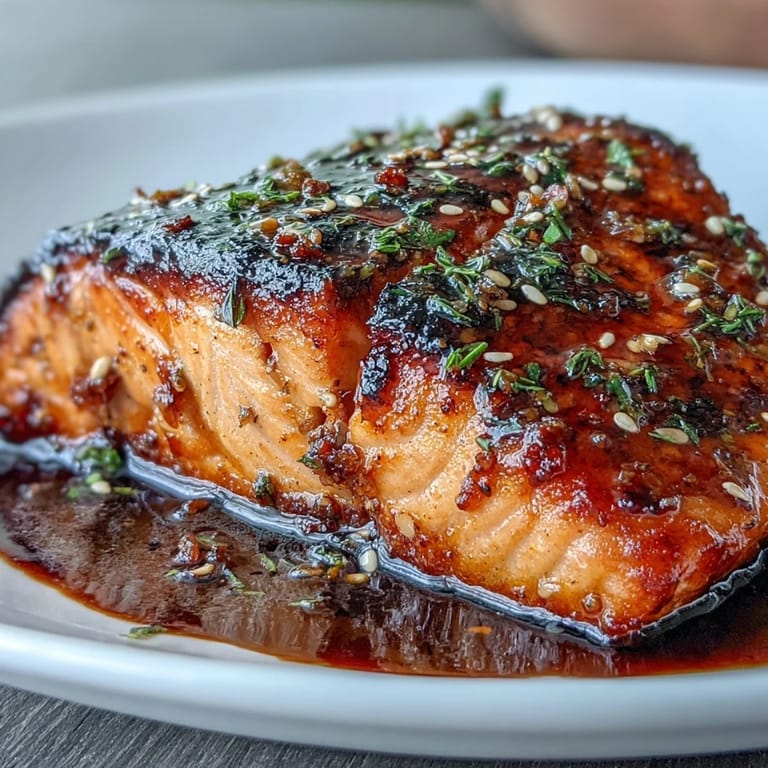
Save There's something about the sizzle of salmon hitting a hot pan that makes everything feel intentional in the kitchen. Years ago, I was tasked with impressing my partner's parents at a dinner I'd thrown together last-minute, and somehow this dish came together from what I had on hand. The glaze came to me while staring at my pantry—honey, soy sauce, a bit of ginger—and watching those fillets transform into something glossy and caramelized felt like discovering a cheat code I'd unknowingly had all along.
I made this for a weeknight dinner once when my friend texted asking what I was cooking, and she invited herself over immediately after I described the glaze. She arrived with wine and stood by the oven watching the salmon roast, the kitchen filling with this incredible aroma of garlic, ginger, and caramelizing honey. By the time we sat down to eat, we'd already decided this was becoming a regular thing, and somehow it has been for the past three years.
Ingredients
- Salmon fillets (150 g each, skin-on or skinless): The skin side browns beautifully and adds flavor, but either works—just make sure they're patted completely dry before searing or the glaze won't stick properly.
- Soy sauce (low sodium recommended): This is your salt anchor, so choose something you actually like tasting on its own because you'll notice it.
- Honey: The sweetness here balances the soy's savory depth; raw honey works best because it caramelizes without the additives.
- Rice vinegar: A subtle tang that keeps the glaze from tasting one-note, and it helps the flavors cling to the fish.
- Sesame oil: Use toasted, never neutral—those few drops are doing serious flavor work here.
- Fresh ginger and garlic: Freshness matters; ground ginger will taste dusty by comparison, and garlic from a jar won't give you that bright bite.
- Broccoli florets: Cut them all roughly the same size so they cook evenly and develop those crispy, slightly charred edges.
- Toasted sesame seeds: Buy them already toasted unless you have time to toast your own—they're a textural revelation that fresh seeds simply aren't.
Tired of Takeout? 🥡
Get 10 meals you can make faster than delivery arrives. Seriously.
One email. No spam. Unsubscribe anytime.
Instructions
- Get everything ready before you start:
- This is one of those dishes where timing matters, so lay out your ingredients, cut your broccoli, mince your garlic and ginger, and have your baking sheet lined before you turn on any heat. You'll thank yourself when you're not scrambling.
- Sear that salmon skin-side down:
- Heat your olive oil until it's shimmering and almost smoking, then lay those fillets down skin-side first. Let them sit undisturbed for two to three minutes—this is when the magic happens and the skin turns golden and crispy instead of pale and rubbery.
- Make your glaze while the pan heats:
- Whisk the soy sauce, honey, rice vinegar, sesame oil, garlic, and ginger together in a small bowl until the honey dissolves completely. This takes about a minute of actual whisking, and it matters because lumpy honey won't distribute evenly on the fish.
- Flip and glaze:
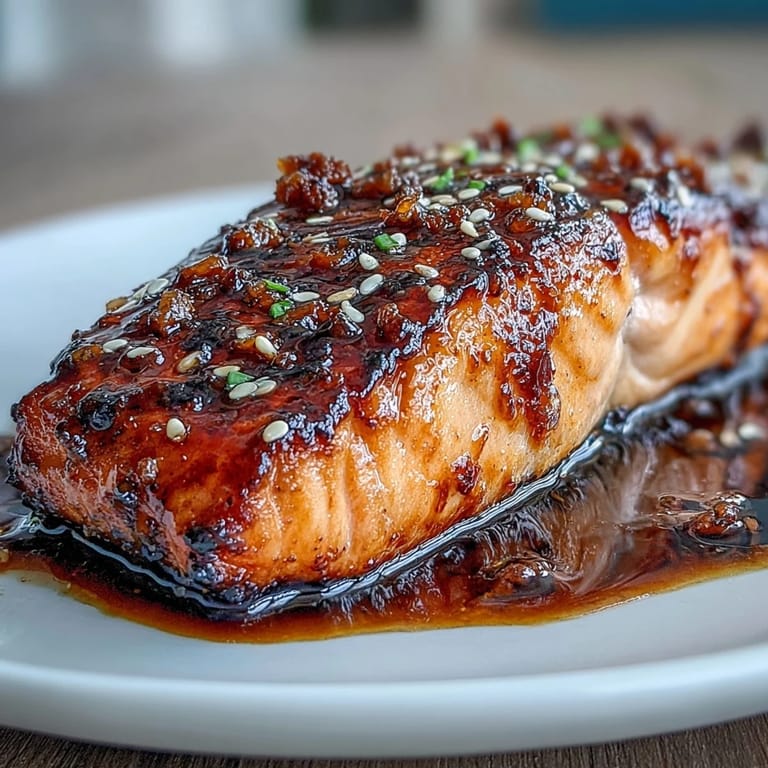
- After the skin side gets its color, carefully flip each fillet and immediately pour the glaze over the top. You'll see it start to caramelize at the edges right away, which is exactly what you want.
- Finish in the oven:
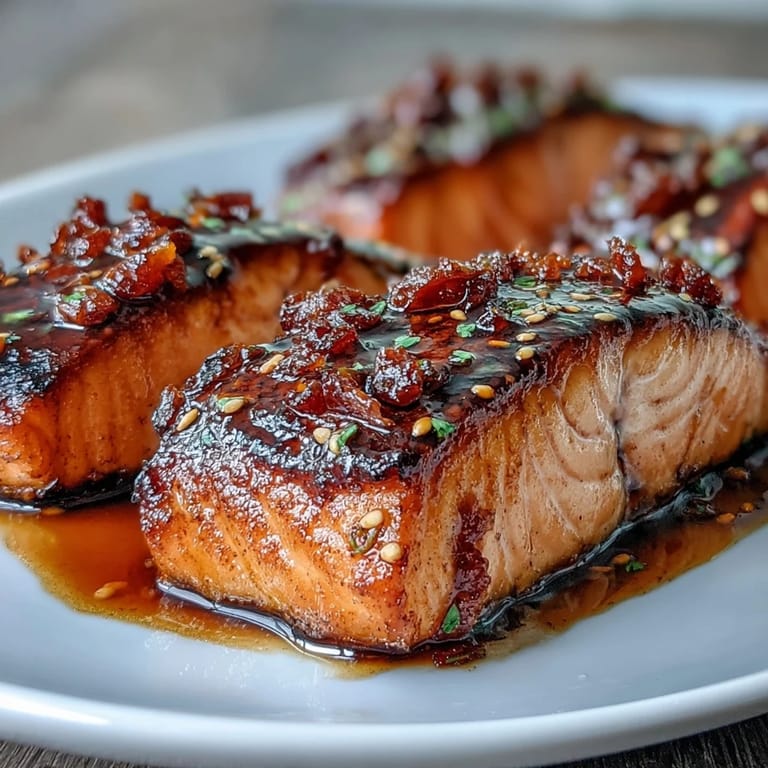
- Transfer the whole skillet to a 200°C oven for seven to nine minutes, or until the salmon flakes easily with a fork at the thickest part. The glaze will bubble and concentrate into something sticky and glossy.
- Blanch your broccoli while the salmon cooks:
- Bring a pot of salted water to a rolling boil and drop in your broccoli florets for exactly two minutes—this takes the raw bite out without making them mushy. Drain and run them under cold water immediately to stop the cooking.
- Toast the broccoli in sesame oil:
- Heat sesame oil in a large pan over medium heat, add your blanched broccoli, and let it sit for a minute or two without stirring so the bottoms get crispy and brown. Toss it, cook for another minute, then hit it with sesame seeds and a pinch of salt.
- Plate it while everything's still warm:
- Spoon the sesame broccoli onto plates first, top with your glazed salmon, and finish with sliced spring onions and a lime wedge if you have them on hand.
 Save
Save There was a moment during that dinner with my parents-in-law when everyone went quiet for a few seconds after the first bite, and all I could hear was the clink of forks against plates. That's when I knew this recipe wasn't just easy or delicious—it was the kind of thing that makes people feel cared for without you having to spend your entire evening in the kitchen.
The Power of Prep Work
The reason this feels effortless is because the actual cooking part is so short. Everything changes when you realize that the thirty-minute window includes the time you spend getting organized, and once you're organized, the actual cooking takes less than fifteen minutes start to finish. I used to think mise en place was a fancy restaurant thing, but it's actually just the difference between feeling calm and feeling rushed.
Why This Glaze Works
The science of this glaze is beautiful and simple: honey caramelizes in heat and becomes even sweeter while deepening in color, soy sauce provides umami and salt, rice vinegar adds brightness so it doesn't cloy, and sesame oil gives you that toasted aromatics note that makes people ask what that incredible smell is. The garlic and ginger steep into the honey as it heats, infusing the whole thing with depth without making it taste spicy or overpowering. I've tried versions with different ratios, and this balance is the one that tastes like something you'd order in a restaurant but actually wanted to make at home.
Improvising Around What You Have
Once you understand what each ingredient is doing, you start seeing where there's room to play. If you don't have rice vinegar, a tiny splash of apple cider vinegar or even lime juice works—you just need that acidic element to cut through the sweetness. No sesame oil for the broccoli means you can use whatever neutral oil you have and sprinkle the sesame seeds on at the end instead of cooking them in. The core of this dish is robust enough that it survives small substitutions without falling apart.
- Red pepper flakes stirred into the glaze add heat without changing the flavor profile, and they look beautiful scattered on top.
- Serve this over jasmine rice or coconut rice if you want to stretch it further, or eat it exactly as is if you're keeping it lighter.
- Leftover glazed salmon is actually incredible cold the next day with a crispy salad, so make extra if you can.
 Save
Save This is the kind of recipe that becomes part of your regular rotation not because you're following rules, but because it actually works and tastes like something you want to eat. Every time I make it, it feels a little different depending on the season, the people I'm cooking for, and what's growing in someone's garden that week.
Cooking Q&A
- → How should the salmon be cooked for best results?
Pat the salmon dry and sear skin-side down in olive oil until golden brown, then roast with the glaze to keep it moist and flavorful.
- → What makes the honey-soy glaze flavorful?
The glaze combines soy sauce, honey, rice vinegar, sesame oil, garlic, and ginger for a sweet, tangy, and aromatic coating.
- → How is the broccoli prepared to retain its texture?
Broccoli is briefly blanched, then sautéed in sesame oil with toasted sesame seeds to remain crisp yet tender with a nutty finish.
- → Can the glaze be adjusted for spiciness?
Yes, adding a pinch of red pepper flakes to the glaze introduces a gentle heat that complements the sweetness.
- → What sides pair well with this salmon and broccoli dish?
Steamed jasmine rice or quinoa are excellent choices to soak up the glaze and complement the flavors.