 Save
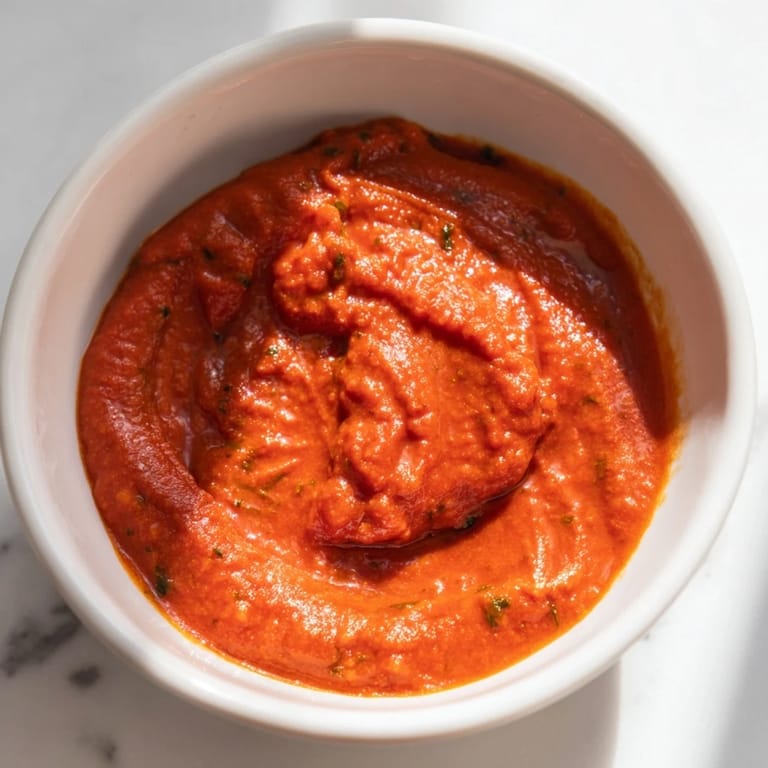
Save My sister called mid-afternoon, frustrated that her kids wouldn't touch vegetables. She'd been buying fancy organic produce only to watch it wilt in the crisper drawer while they begged for plain buttered pasta. That conversation stuck with me, so I started experimenting with ways to make tomato sauce genuinely delicious while hiding what felt like an entire farmers market inside. This sauce became my answer—rich, deeply flavored, and absolutely foolproof.
I made this for a potluck where someone mentioned their daughter wouldn't eat anything green. When she asked for thirds and wanted to know the ingredient list, her mom nearly dropped her plate—that moment of surprise when a kid actually loves vegetables is pure magic.
Ingredients
- Carrots (2 medium): They're your secret sweetness and color; they cook down completely and become part of the sauce body rather than a separate veggie you can pick out.
- Zucchini (1 medium): Adds moisture and substance without any distinct flavor, so it disappears into the sauce seamlessly.
- Fresh spinach (2 cups): Wilts away in seconds and brings iron and earthiness that balances the acidity of tomatoes.
- Onion (1 medium) and garlic (2 cloves): These are your flavor foundation; don't skip the sautéing step because they need time to soften and become sweet.
- Olive oil (2 tablespoons): Use a quality oil you'd actually drizzle on bread—it's worth the difference.
- Crushed tomatoes (28 oz can): The backbone of the sauce; look for San Marzano if your budget allows because the flavor is noticeably cleaner.
- Tomato paste (2 tablespoons): Concentrate of tomato goodness that deepens the color and richness without watering things down.
- Dried oregano and basil (1 teaspoon each): These dried herbs are actually preferable here because they infuse throughout the long simmer.
- Salt, pepper, and optional sugar: Taste as you go; the sugar is just insurance against acidic canned tomatoes, not a sweetening agent.
- Parmesan cheese and fresh basil: Finishing touches that feel luxurious but are completely optional if you're keeping it vegan or dairy-free.
Tired of Takeout? 🥡
Get 10 meals you can make faster than delivery arrives. Seriously.
One email. No spam. Unsubscribe anytime.
Instructions
- Start with your aromatics:
- Pour olive oil into a large saucepan and let it get warm and fragrant over medium heat. Add your chopped onion and minced garlic, then listen for that gentle sizzle—it should smell like the beginning of something good. Stir occasionally for about three minutes until the onion turns translucent and the garlic loses its sharp edge.
- Build your vegetable base:
- Toss in the carrots and zucchini pieces, stirring them into the oil and aromatics. Let them cook, stirring every minute or so, for five to seven minutes—you're looking for the carrots to start losing their raw crunch. Don't rush this; softer vegetables blend more invisibly later.
- Wilt in the spinach:
- Add all your chopped spinach at once; it looks like a lot, but it collapses dramatically within two minutes. Once it's dark green and fully wilted, you're ready for the tomatoes.
- Build the sauce:
- Pour in your crushed tomatoes and add the tomato paste, stirring everything together until the paste dissolves and distributes evenly. The mixture will look loose and chunky, which is exactly right.
- Season and simmer:
- Sprinkle in the oregano, basil, salt, pepper, and sugar if you're using it. Give it a good stir, then let it come to a gentle simmer—you want small bubbles breaking the surface, not a rolling boil. Cover the pot and turn the heat low.
- Let time do the work:
- Simmer for 20 minutes with the lid on, stirring occasionally. The carrots and zucchini will soften completely, the flavors will meld together, and the smell will fill your kitchen in the best way. You'll know it's ready when a carrot piece breaks apart easily against the side of the pot.
- Transform into smoothness:
- Remove from heat and let it cool for just a few minutes—hot sauce and blenders don't mix well. If using an immersion blender, work right in the pot, moving it slowly from the bottom up. If using a countertop blender, work in batches and leave the center cap off with a towel loosely covering the top to let steam escape.
- Finish and serve:
- Return to the stove if it's cooled too much and taste it—this is your moment to adjust salt, pepper, or add a pinch more oregano if you want. Stir in Parmesan if you'd like, then ladle over hot pasta and top with fresh basil leaves.
 Save
Save My nephew, the vegetable avoider, asked me last month why this pasta tasted like something from his favorite restaurant. I told him the truth—that great sauce has nothing to do with hiding anything and everything to do with cooking things properly so their flavors become something bigger and better than their individual parts.
The Magic of Blending
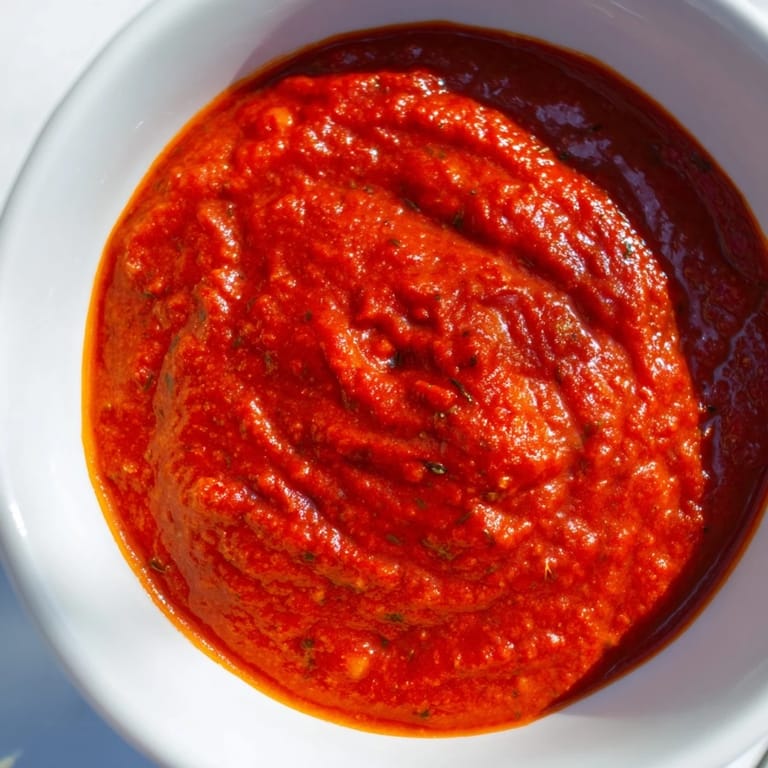
The blending step is where the real transformation happens, and it's worth understanding why. When you puree vegetables that have been simmered until completely tender, they don't disappear—they integrate. The carrot becomes silky texture, the zucchini adds body, and the spinach brings color and iron, but none of them taste like themselves anymore. They've become part of the sauce's structure. The first time you serve this to someone and they can't identify a single vegetable but taste how rich and satisfying it is, you'll understand why I keep making it.
Freezing and Meal Prep
This sauce was designed with busy life in mind. Make a double batch on a Sunday, cool it completely, then portion it into containers or even ice cube trays if you want maximum flexibility. Frozen sauce thaws beautifully and tastes just as good—sometimes better, actually, because the flavors have even more time to develop and meld together. I've pulled jars from my freezer months later and felt genuinely grateful to past me for the thoughtfulness of it.
Variations That Work
This base sauce is remarkably adaptable once you understand how it works. I've added mushrooms that were about to go bad, experimented with red bell peppers, and once threw in what felt like half a head of broccoli because it needed using. The formula stays the same—soften vegetables, simmer with tomatoes, blend smooth—and it almost always works. Here are some directions I've taken it with genuine success.
- Add a splash of cream or a tablespoon of butter after blending for richness that tastes almost decadent without being obvious.
- Stir in red pepper flakes or a pinch of cayenne before blending if you like your sauce with a gentle warmth that builds as you eat.
- For a vegan version, skip the Parmesan entirely and trust that the sauce tastes complete without it—it absolutely does.
 Save
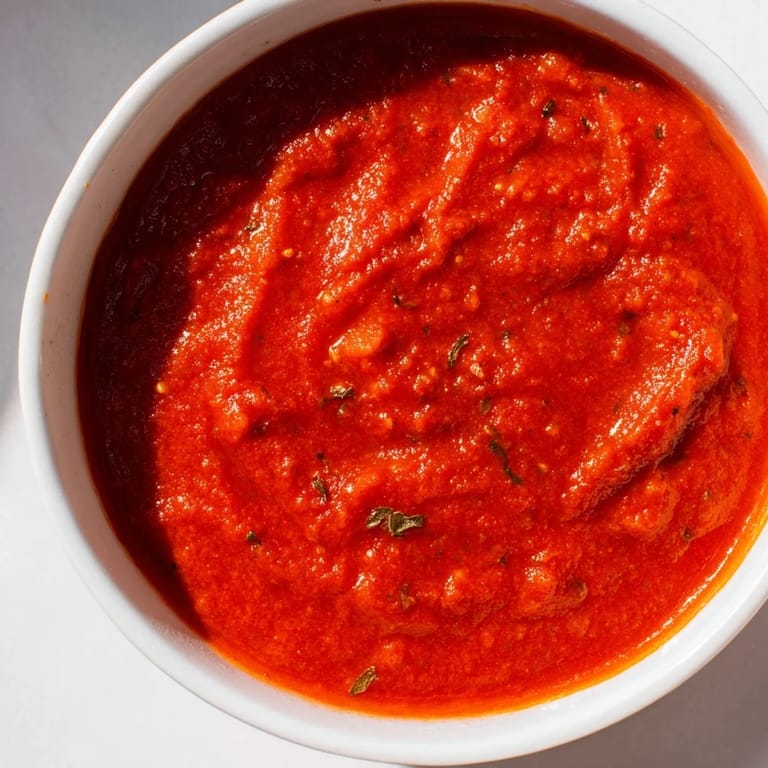
Save This sauce has become my answer to the question of how to feed people well without making it feel like work. It's honest, straightforward, and genuinely delicious in a way that transcends the fact that it's basically just vegetables and tomatoes. That's worth something.
Cooking Q&A
- → Can I make this sauce ahead of time?
Yes, this sauce actually improves with time as flavors meld. Prepare it up to 2 days in advance and refrigerate in an airtight container. Reheat gently on the stovetop before serving.
- → How do I freeze leftovers?
Cool the sauce completely, then divide into portioned containers or freezer bags. Store in the freezer for up to 3 months. Thaw overnight in the refrigerator and reheat on the stove, adding a splash of water if needed.
- → What pasta pairs best with this sauce?
Smooth sauces like this work beautifully with penne, rigatoni, or fusilli. The sauce clings well to tube and ridged shapes. Spaghetti and linguine also work nicely if you prefer thinner noodles.
- → Can I use frozen vegetables instead of fresh?
Absolutely. Frozen carrots, zucchini, and spinach work well. Thaw them first if possible and drain excess moisture before adding to reduce cooking time slightly.
- → How do I make this vegan?
Simply omit the Parmesan cheese or substitute with nutritional yeast or a plant-based Parmesan alternative. The sauce itself is naturally vegan when prepared without dairy additions.
- → Can I add cream to make it richer?
Yes, after blending, you can stir in a splash of heavy cream, half-and-half, or even a tablespoon of butter for extra richness and silky texture.