 Save
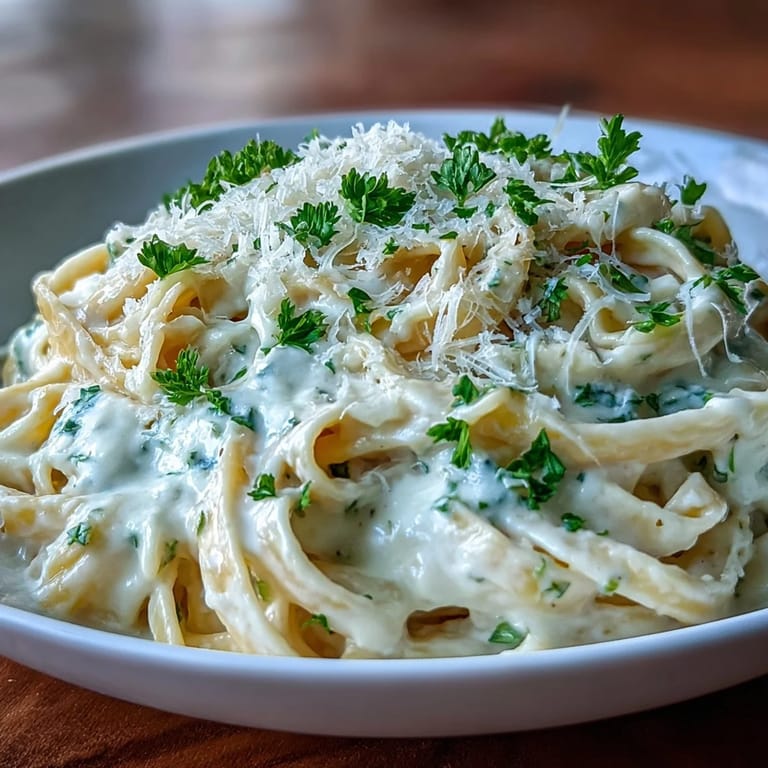
Save There's something magical about discovering that a vegetable you've been skeptical of can transform into something truly crave-worthy. I was standing in my kitchen on a quiet Tuesday evening, staring at half a head of cauliflower and wondering what to do with it, when I decided to take a chance on blending it into a pasta sauce. The result was so unexpectedly silky and satisfying that I've made it countless times since, each batch tasting like a gentle revelation rather than a compromise.
I'll never forget the first time I served this to my skeptical sister who claims to hate anything vegetable-forward. She took one bite, paused, and asked what restaurant I'd gotten it from because surely I hadn't made it. Watching her realize it was just cauliflower, butter, and a little Parmesan was worth every bit of the effort, and now she actually requests it when she visits.
Ingredients
- Cauliflower florets: One medium head gives you enough substance to create that velvety base everyone expects from Alfredo, and overcooking them slightly here actually works in your favor since they need to blend into oblivion.
- Garlic cloves: Three cloves mellow considerably during the boiling process, adding depth without overwhelming your sauce with raw sharpness.
- Yellow onion: The chopped piece softens completely and sweetens as it cooks, rounding out the flavor profile in ways you won't quite taste but will absolutely notice if it's missing.
- Unsalted butter: Two tablespoons is all you need to carry the richness through the entire sauce, giving it that luxurious mouthfeel without heaviness.
- Parmesan cheese: One-third cup finely grated ensures it incorporates smoothly into the blended sauce rather than creating grainy pockets that feel off.
- Milk: Half a cup of dairy or plant-based works equally well here, acting as the thinning agent that lets the blender do its magic without creating a paste.
- Fettuccine or linguine: These flat noodles catch and hold the sauce far better than thin strands, so each bite delivers that creamy coating you're after.
- Salt and black pepper: Taste as you go because the Parmesan already brings saltiness, and you want to find that perfect balance rather than oversalting.
- Ground nutmeg: Just a whisper of this transforms the sauce from pleasant to mysteriously sophisticated, even though no one can quite identify what makes it special.
- Fresh parsley: A scattered handful at the end adds a fresh brightness that cuts through the richness and makes the dish feel less heavy on the palate.
Tired of Takeout? 🥡
Get 10 meals you can make faster than delivery arrives. Seriously.
One email. No spam. Unsubscribe anytime.
Instructions
- Boil your vegetables into surrender:
- Fill your large pot with salted water and bring it to a rolling boil, then add the cauliflower florets along with garlic cloves and chopped onion. Let them bubble away for 8 to 10 minutes until the cauliflower is so tender it falls apart when you poke it with a fork, which is exactly the texture you need for a smooth sauce.
- Transfer to your blender:
- Using a slotted spoon, fish out all the soft vegetables and let them drain briefly before moving them to your blender, leaving the cooking water behind in the pot since you'll need it later.
- Create the magic:
- Add butter, grated Parmesan, milk, salt, pepper, and a pinch of nutmeg to the blender with those vegetables. Blend until it's completely smooth and resembles thick cream, adding a splash of that reserved cooking water if needed to loosen it to a pourable consistency.
- Cook your pasta:
- In that same pot of cooking water, cook your fettuccine or linguine according to package directions until it's al dente with just a slight resistance when you bite it. Before draining, reserve about a cup of that starchy pasta water in a measuring cup.
- Bring it all together:
- Return the drained pasta to the pot and pour the cauliflower sauce over it, then toss everything gently but thoroughly, adding splashes of reserved pasta water as needed until you reach that velvety consistency that coats every strand without pooling.
- Taste and finish:
- Take a bite straight from the pot, adjust the salt and pepper if needed, then transfer to bowls or a serving dish and scatter with fresh parsley and extra Parmesan while everything's still steaming hot.
 Save
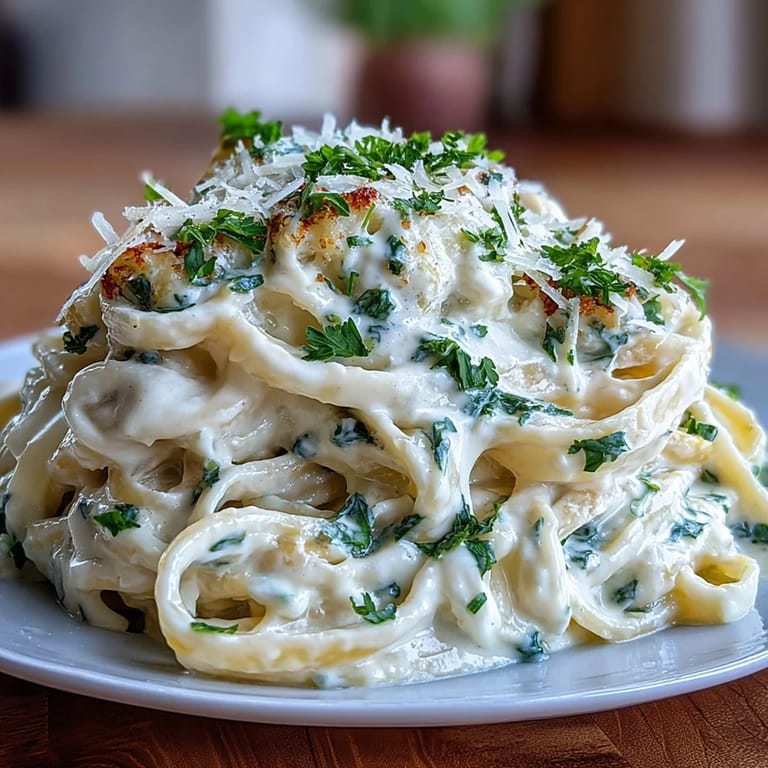
Save What strikes me most about this dish is how it changed my relationship with weeknight cooking. Before this recipe, I felt trapped between wanting something comforting and feeling obligated to be virtuous, as if the two couldn't coexist. Now I know they absolutely can, and that realization alone has made me braver in the kitchen.
The Secret to Silky Cauliflower Sauce
The difference between a gritty sauce and a luxuriously smooth one comes down to blending time and temperature. I learned this the hard way by rushing through the blending process, thinking 30 seconds was sufficient when I really needed a full minute. The heat of the vegetables helps release their natural starches, which contribute to that satiny texture, so there's no need to let them cool before blending.
Customizing Without Losing the Magic
This sauce welcomes creativity without demanding it. I've stretched it with extra vegetables like roasted mushrooms or steamed broccoli tossed into the final dish, and the sauce somehow accommodates everything gracefully. The base is forgiving enough that experimenting feels safe, and the worst that happens is you add another splash of cooking water and everything comes back into balance.
Making It Your Own
The beauty of this recipe is how it adapts to what's already in your kitchen or what matters most to your dietary choices. Vegan? Swap the butter for plant-based and use nutritional yeast in place of Parmesan. Gluten-free? Your favorite alternative pasta works beautifully here. Need more substance? Sautéed mushrooms, roasted cherry tomatoes, or steamed broccoli all nestle into this sauce like they belong there.
- Whole wheat pasta adds an earthiness that actually pairs wonderfully with the subtle sweetness of the cauliflower.
- A small squeeze of lemon juice just before serving brightens everything without making it taste sour.
- Fresh cracked pepper tastes noticeably better than pre-ground, so crack it just before serving if you have a grinder handy.
 Save
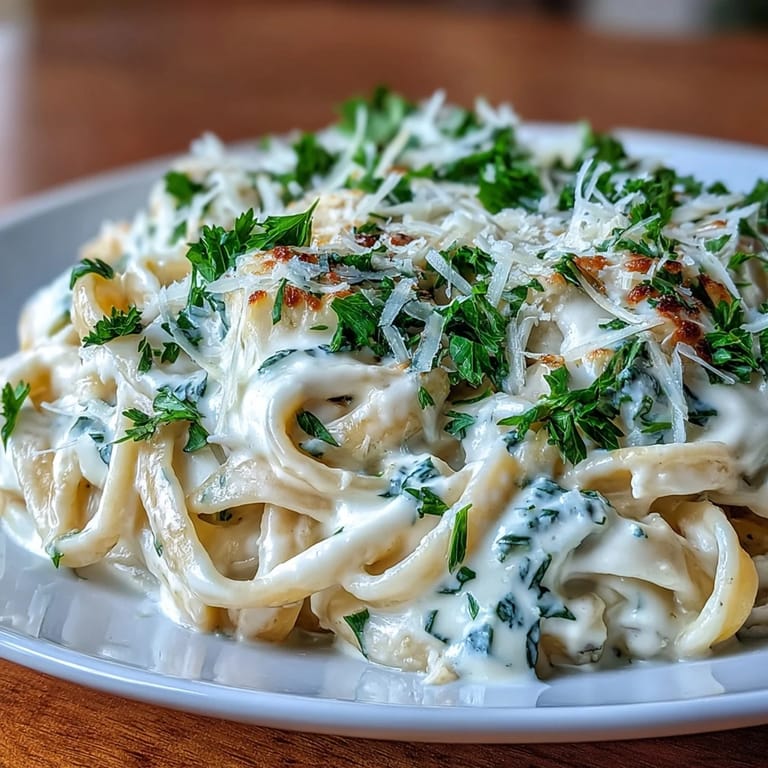
Save This pasta has become my comfort in a bowl, the dish I reach for when I want to feel taken care of but not weighed down. It proves that the best cooking isn't about restriction or excess, but about finding that honest middle ground where good food and good intentions meet.
Cooking Q&A
- → Can I make this dish vegan?
Yes, simply substitute plant-based milk for dairy milk, use vegan butter instead of regular butter, and replace Parmesan cheese with nutritional yeast or a vegan Parmesan alternative. The sauce will still be creamy and delicious.
- → What type of pasta works best?
Fettuccine or linguine are traditional choices as their flat surfaces hold the sauce beautifully. However, penne, rigatoni, or even spaghetti work well. For gluten-free options, choose brown rice pasta or chickpea pasta.
- → Can I freeze leftover cauliflower Alfredo?
The sauce freezes well for up to 3 months. Store in an airtight container and thaw overnight in the refrigerator. Reheat gently on the stovetop, adding a splash of milk or water to restore creaminess. Pasta is best cooked fresh.
- → How do I get the sauce extra smooth?
Ensure cauliflower is completely tender before blending, about 8-10 minutes of boiling. Blend on high speed for at least 2 minutes, stopping to scrape down sides as needed. Adding a splash of pasta water helps achieve silky consistency.
- → What vegetables can I add?
Sautéed mushrooms, steamed broccoli florets, or roasted bell peppers complement the creamy sauce beautifully. Spinach can be stirred in at the end for extra nutrition. For protein, grilled chicken or white beans work well.
- → Is this actually lower in fat than traditional Alfredo?
Yes, significantly. Traditional Alfredo relies entirely on heavy cream and large amounts of butter. This version uses cauliflower as the base, which provides creamy texture with minimal fat, while just 2 tablespoons of butter and modest Parmesan add flavor.