 Save
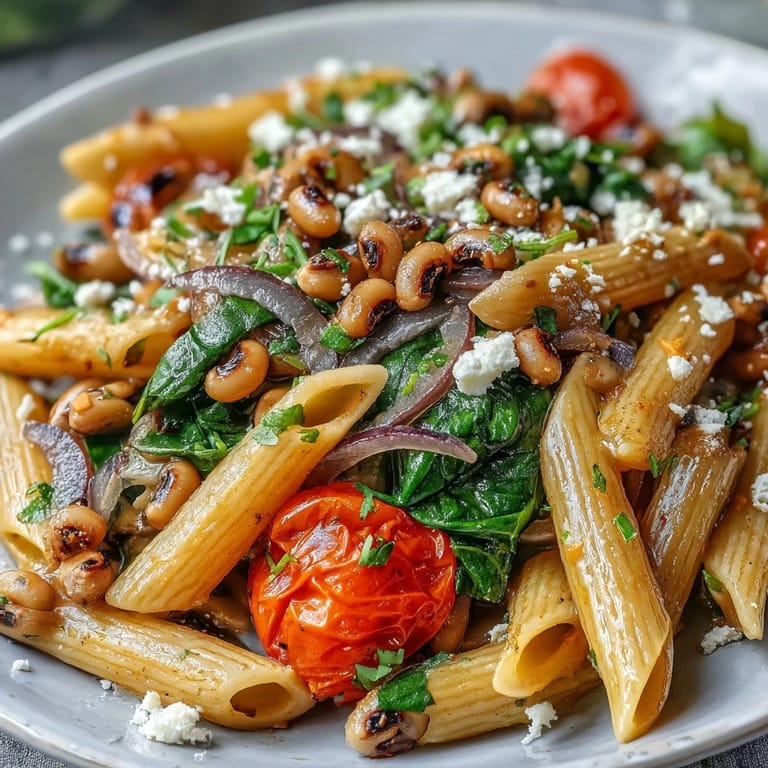
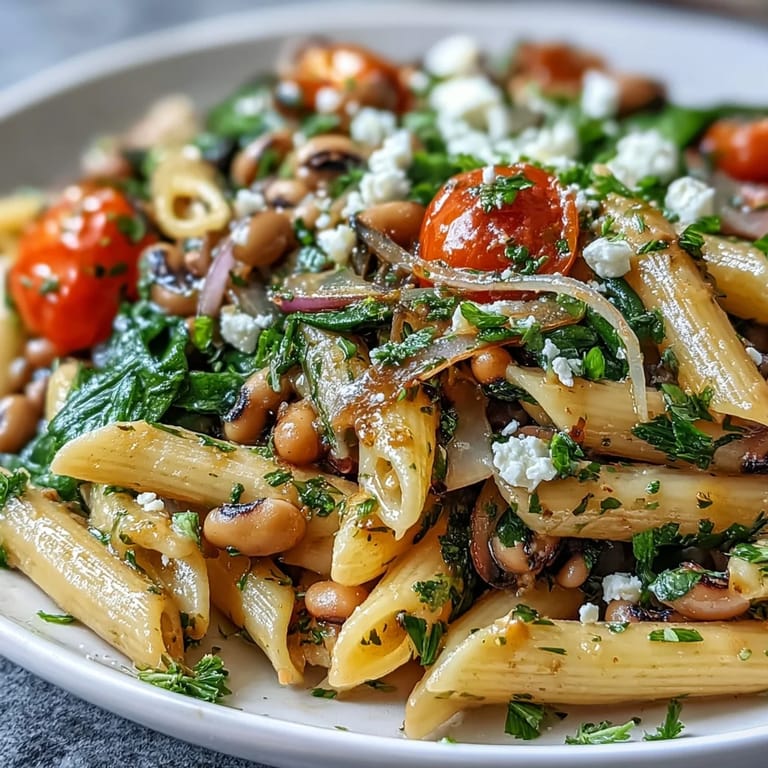
Save There's something about the way black-eyed peas soften into a sauce when you stir them into hot pasta that made me fall for this dish one ordinary Wednesday evening. I was standing in my kitchen with half a can of beans left over from meal prep, some cherry tomatoes that needed rescuing, and the kind of hunger that doesn't wait for complicated plans. What emerged was this bright, garlicky tangle of pasta that felt both substantial and light, Mediterranean without pretension. Now it's the recipe I reach for when I want dinner that tastes like care without requiring hours of my time.
I made this for my friend Sophie on a warm summer evening when she arrived at my door saying she'd gone vegetarian but wasn't sure how to make it feel like actual food. Watching her face light up when she twirled that first forkful was everything, and she texted me the recipe request before she left. Now whenever I make it, I think of that moment and how food can be the easiest way to say you're supported in whatever you're trying.
Ingredients
- Short pasta (penne, fusilli, or farfalle), 300 g: The shape matters more than you'd think because you want something that catches the bean sauce in its curves and holds the herbs.
- Black-eyed peas, 1 can (400 g) drained and rinsed: These little legumes are the soul of the dish, softening into something almost creamy as they mingle with the garlic and tomatoes.
- Extra-virgin olive oil, 3 tablespoons: Don't cheap out here because this is your fat, your flavor carrier, your entire foundation for the soffritto.
- Garlic cloves, 3 finely sliced: Slicing instead of mincing keeps them toothsome and gives you those little golden pieces that catch on your fork.
- Red onion, 1 small thinly sliced: It softens into sweetness and adds color that makes the whole dish look like you know what you're doing.
- Fresh oregano or dried, 1 tablespoon or 1 teaspoon: Fresh is revelatory if you have it, but don't skip this entirely just because your herb drawer is empty.
- Fresh parsley and basil, 2 tablespoons each chopped: These go in at the very end so they stay bright and don't turn into sad green shadows.
- Cherry tomatoes, 1 cup halved: They burst slightly as they cook and release their juice into the pasta, creating a light sauce that feels almost luxurious.
- Baby spinach leaves, 1 cup: This wilts right at the end, turning silky and adding the green that makes people think you planned this.
- Sea salt and black pepper to taste: More important than it sounds because these humble seasonings are what turn good pasta into the kind you want to eat standing up.
- Red pepper flakes, 1 pinch optional: For when you want a whisper of heat that catches you on the second bite.
- Lemon zest and juice from ½ lemon: This is the moment where everything stops being flat and suddenly sings with brightness.
- Feta cheese, 50 g crumbled optional: The salty, creamy finish that makes people ask if there's butter in this, and the pleasure in saying no is real.
Tired of Takeout? 🥡
Get 10 meals you can make faster than delivery arrives. Seriously.
One email. No spam. Unsubscribe anytime.
Instructions
- Get your water going:
- Fill a large pot with salted water, let it boil with purpose, and add your pasta according to package directions. This is your baseline, the thing you can't rush, so give it the time it needs to reach true al dente.
- Build your flavor base:
- While pasta cooks, warm your olive oil over medium heat and listen for that subtle sizzle when the garlic and red onion meet the pan. You're aiming for fragrant and softened, not browned, which takes about 2 to 3 minutes of gentle stirring.
- Let the tomatoes break down:
- Add your cherry tomato halves and give them space to soften and release their juice, another 3 to 4 minutes. You'll know it's right when they've burst slightly and the pan smells impossibly good.
- Welcome the black-eyed peas:
- Stir in your drained beans along with the oregano, salt, pepper, and red pepper flakes if you're using them. Let everything mingle for about 2 minutes so the beans absorb those flavors.
- Bring it all together:
- Drain your pasta, reserving that precious cooking water, then add it all to the skillet with a splash of that starchy water. The water is your secret tool for creating a light sauce that clings to everything without heaviness.
- Finish with green:
- Toss in your spinach and watch it surrender in about a minute, then pull the pan from heat. Stir through your lemon zest and juice, the fresh parsley, and basil, then taste and adjust salt if needed.
- Serve with intention:
- Divide into bowls and crumble that feta over top if you want the final layer of luxury. Eat while it's still warm and the flavors are at their brightest.
 Save
Save The first time my partner tasted this, he asked if we were going to make it again next week, and I realized that's when food stops being about nutrition and starts being about home. Something about beans and tomatoes and the brightness of lemon on a plate feels honest and grounding at the same time.
Why Black-Eyed Peas Are Quietly Brilliant
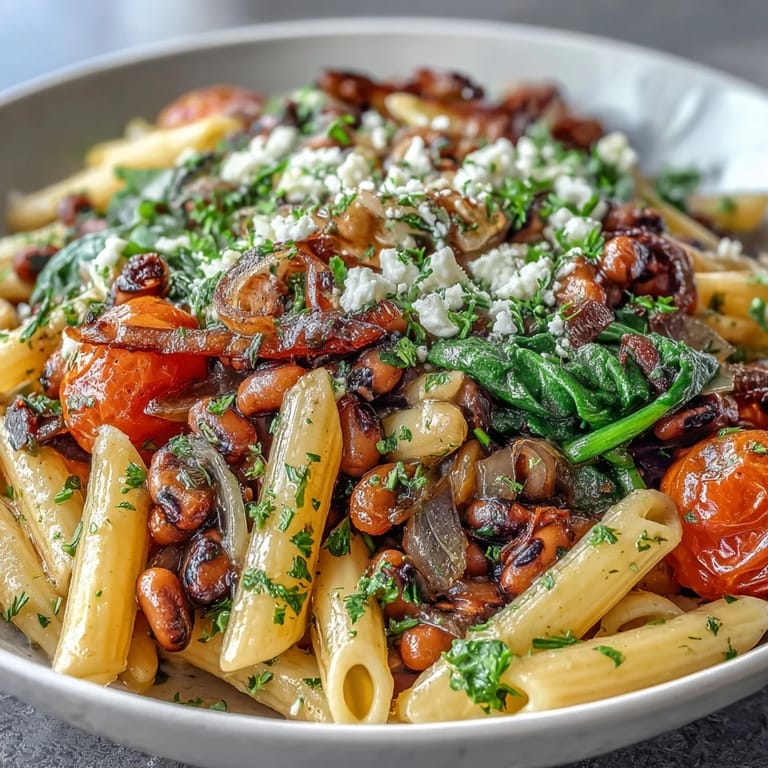
Black-eyed peas have this gift for absorbing flavor while maintaining their shape, which is why they work so much better than chickpeas or white beans in this particular setup. They don't turn mealy, they don't disappear, and they create a subtle creaminess that makes people stop eating mid-bite and ask what you did. Once you start cooking with them regularly, you'll wonder why you spent so long ignoring them in favor of more obvious legumes.
The Mediterranean Kitchen Logic
This dish lives in that perfect intersection where everything serves a purpose without excess, which is exactly how Mediterranean cooking approaches flavor. You're not layering ten ingredients to mask each other, you're letting each one show what it does best: the garlic becomes fragrant, the tomatoes burst bright, the herbs stay fresh. It's the difference between cooking that feels complicated and cooking that feels inevitable.
Making It Your Own
This recipe is forgiving enough to bend to what you have and what you're craving, which is perhaps the greatest compliment a weeknight dinner can earn. Grilled shrimp goes beautifully here if you want protein, or roasted chickpeas if you want to lean further into vegetarian territory. The herbs are your playground too, swap basil for dill or add fresh mint if that speaks to you.
- Try adding a handful of sun-dried tomatoes for depth, or a pinch of smoked paprika if you want to whisper in some warmth.
- Leftovers taste even better the next day, which means this is also an excellent lunch for tomorrow that you're essentially getting for free.
- A crisp white wine on the side makes this feel like an occasion, even when you're just cooking for yourself on a regular evening.
 Save
Save This is the kind of recipe that reminds you that good food doesn't require drama or hours at the stove, just attention and genuine ingredients. Make it once and you'll make it again, probably on a night when you need to know that dinner is going to be okay.
Cooking Q&A
- → Can I use dried black-eyed peas instead of canned?
Yes, soak 1 cup dried black-eyed peas overnight, then simmer for 45-60 minutes until tender before adding to the dish. This adds about 1 hour to preparation time but yields excellent texture and flavor.
- → What pasta shapes work best with this dish?
Short pasta shapes like penne, fusilli, or farfalle work wonderfully as they catch the peas and vegetables in their curves. The ridges and hollows help hold the olive oil-based sauce and small ingredients.
- → How can I make this dish vegan?
Simply omit the feta cheese garnish or substitute with a plant-based feta alternative. The rest of the ingredients are naturally vegan, including the olive oil, vegetables, and legumes.
- → Can I add more protein to this pasta?
Grilled chicken, sautéed shrimp, or white beans make excellent protein additions. You can also increase the black-eyed peas to two cans for a legume-focused protein boost without meat.
- → How long do leftovers keep in the refrigerator?
Stored in an airtight container, leftovers remain fresh for 3-4 days. Reheat gently with a splash of olive oil or water to refresh the pasta. The flavors often develop deeper after resting.
- → Can I make this gluten-free?
Use certified gluten-free pasta made from rice, corn, or quinoa. The cooking time may vary slightly from traditional pasta, so follow package instructions for best results.