 Save
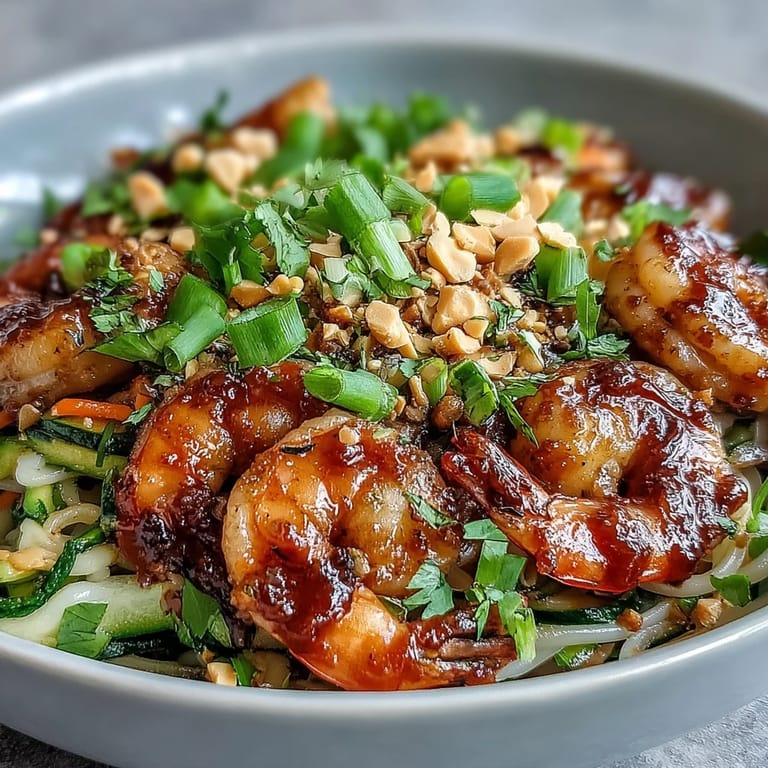
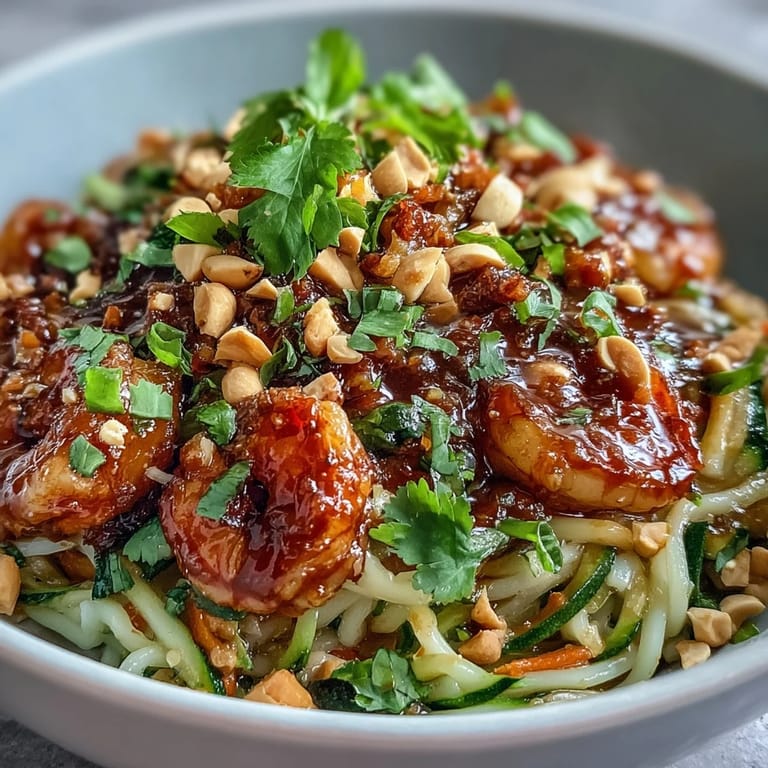
Save My roommate once brought home a takeout container of noodles that smelled so impossibly good, I kept sneaking forks into it all evening. Turns out she'd paid nearly twenty dollars for what amounted to shrimp, some vegetables, and noodles tossed in a glossy sauce. That night I decided to crack the code, and after a few attempts in my tiny kitchen, I realized how simple and satisfying this bowl actually is to make at home. Now it's become my go-to when I want something that feels restaurant-quality but takes barely longer than ordering delivery.
I made this for my sister right after she'd moved into her first apartment, and she ate the entire batch in one sitting while sitting cross-legged on her kitchen counter. She kept saying how it tasted like the bowl she'd been craving since visiting Portland, and watching her face light up while eating something I'd cooked in my own kitchen felt like the best kind of magic. That's when I knew this recipe was a keeper.
Ingredients
- Medium shrimp (400 g): The sweet, delicate protein that cooks in moments and carries the sauce beautifully, but make sure they're truly deveined or you'll find the occasional sandy surprise mid-chew.
- Rice noodles (200 g): These stay tender without turning to mush, and their slight chew gives the bowl real substance and texture.
- Zucchini and carrot, julienned: Cut them thin enough that they stay crisp rather than becoming limp, and the vegetables finish cooking in the time it takes to warm the sauce through.
- Soy sauce (3 tbsp): The umami backbone of everything, though if you're dodging gluten, tamari works just as beautifully and nobody will taste the difference.
- Lime juice (2 tbsp): Don't skip this or use bottled because that bright, acidic pop is what prevents the bowl from feeling one-dimensional and heavy.
- Sesame oil (1 tbsp): A little goes a long way here, and its toasted nuttiness is what makes people ask what you're doing to make it taste so good.
- Honey or maple syrup (1 tbsp): Just enough sweetness to balance the salt and acid, creating that addictive sauce consistency.
- Chili garlic sauce (1 tsp, optional): The heat amplifier for anyone who likes their bowls with a little kick without overwhelming the delicate shrimp.
- Roasted peanuts and fresh cilantro: The textural and aromatic finale that transforms the bowl from plain to crave-worthy.
Tired of Takeout? 🥡
Get 10 meals you can make faster than delivery arrives. Seriously.
One email. No spam. Unsubscribe anytime.
Instructions
- Start with perfectly cooked noodles:
- Follow the package timing exactly, then shock them in cold water so they stop cooking and don't clump together as they cool. Slightly undercooked is better than overdone since they'll warm up again in the pan later.
- Build your sauce foundation:
- Whisk everything together in a small bowl and taste it straight, adjusting for your preference of salty or sweet or tangy. I learned the hard way that a sauce tasted in isolation prevents regrets in the finished bowl.
- Toast your garlic into fragrance:
- That thirty second window when the garlic hits the hot oil is crucial, so stay close and breathe in the moment it stops smelling raw. This is the flavor anchor for everything that follows.
- Cook shrimp until just pink:
- The minute they turn from translucent to opaque pink, they're done, and overcooked shrimp becomes rubbery and sad. Two to three minutes per side is all they need when your heat is high enough.
- Quick-fry the vegetables:
- Keep them moving in that pan so they stay snappy rather than steamed, and pull them out the moment they soften just slightly. The residual heat will finish them perfectly as you toss everything together.
- Bring it all together with warmth and motion:
- Add the noodles, sauce, and green onions, then toss constantly so every strand gets coated and the pan heats everything evenly. Return the shrimp gently at the end so they don't break apart from aggressive stirring.
- Finish with ceremony:
- Divide among bowls and top generously with peanuts and cilantro, letting each person squeeze their own lime wedge. This final step is where the bowl goes from good to memorable.
 Save
Save There's something about eating from a bowl instead of a plate that makes you slow down and savor what you're doing. I realized this while eating one of these at my desk, the steam rising into my face carrying that sesame oil aroma, and instead of scrolling through my phone like usual, I was genuinely present for each bite. Food doesn't always have to be fancy or complicated to feel like self-care.
Making It Your Own
This bowl is endlessly flexible depending on what's sitting in your vegetable drawer or what protein sounds good that day. I've made versions with crispy tofu for vegetarian dinner parties, and my partner swears by his version with rotisserie chicken shredded right into the warm noodles. The sauce is the constant that holds everything together, so once you nail that, you can play freely with the rest.
The Timing Game
One evening I tried prepping everything ahead of time for a weeknight dinner, thinking I was being clever, but the noodles had stuck together and the vegetables were wilted by the time I actually cooked. Now I know this is a recipe that actually wants to be made fresh and quick, which ends up being less work than trying to streamline it. The whole magic is in the speed and the fact that everything hits your bowl at peak freshness and temperature.
Why This Feels Like Restaurant Food
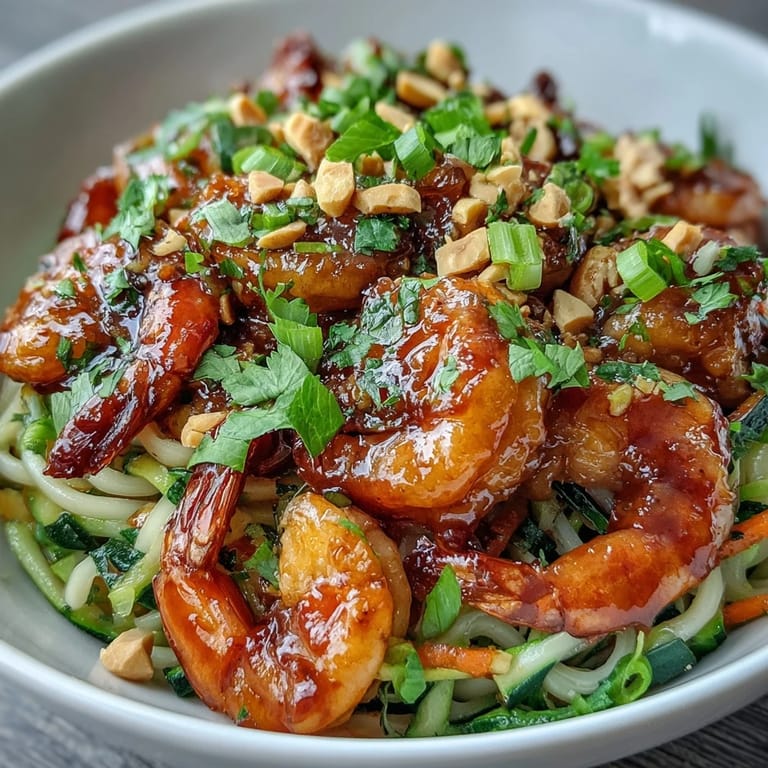
The secret isn't any single ingredient or technique, it's the ratio of sauce to noodles to vegetables and that final shower of peanuts and cilantro that makes your brain register it as intentional and complete. Restaurant bowls charge what they do partly because they're generous with toppings and confident with their seasoning, both of which are completely in your control at home. It's the same reason a bowl that looks bare tastes boring while one piled high tastes like an event, so don't hold back on those finishing touches.
- Make extra sauce and keep it in a jar for drizzling over leftovers the next day.
- Toast your own peanuts from raw if you have time, because the flavor difference is genuinely noticeable.
- Serve with extra lime wedges and sriracha on the side so everyone can adjust their bowl to their exact preference.
 Save
Save This bowl has become my answer to the question of what to cook when I want something that tastes like I tried harder than I actually did. Make it once and you'll understand why it's worth keeping on repeat.
Cooking Q&A
- → Can I make this dish vegetarian?
Absolutely. Substitute the shrimp with firm tofu cubes or edamame. Press and pan-fry the tofu first for better texture and flavor absorption.
- → What type of noodles work best?
Rice noodles are traditional and gluten-free. However, soba noodles, udon, or even spaghetti work well if that's what you have available.
- → How spicy is this dish?
The base dish is mild. Add chili garlic sauce to taste, or include sliced fresh chilies if you prefer more heat. The spice level is easily adjustable.
- → Can I prepare components in advance?
Yes. Julienne the vegetables and prepare the sauce up to a day ahead. Cook noodles and shrimp fresh for best texture, though cooked noodles keep refrigerated for 2-3 days.
- → What protein alternatives work well?
Sliced chicken breast, beef strips, or even seared salmon fillets pair beautifully with these Asian flavors. Cook times may vary slightly based on protein choice.
- → Is this suitable for meal prep?
Definitely. Portion into containers, keeping toppings separate. Reheat gently and add peanuts and cilantro just before serving to maintain crunch and freshness.