 Save
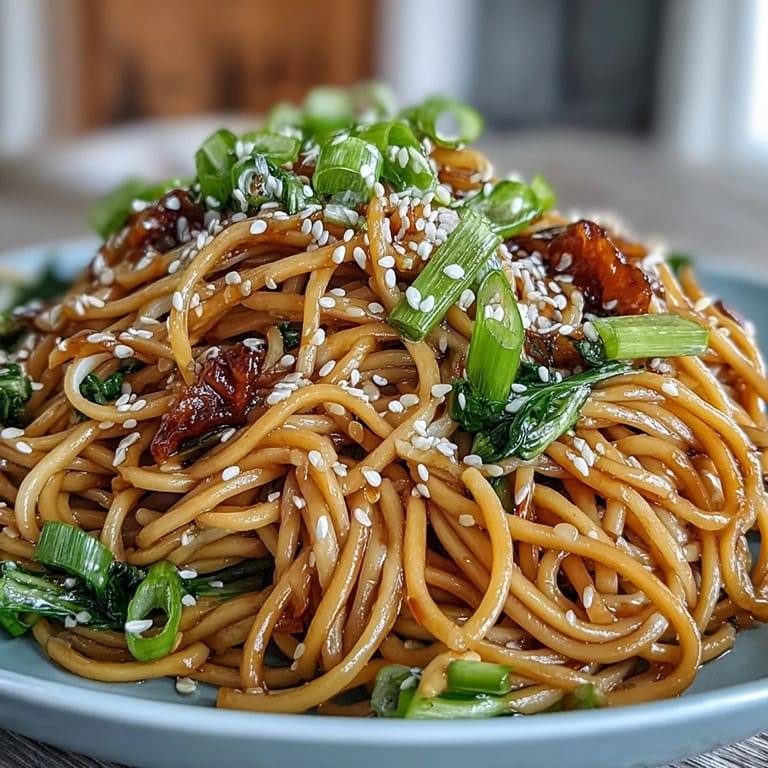
Save My neighbor once brought over a takeout container of noodles that smelled so impossibly good, I asked for the recipe on the spot. Turns out, it wasn't complicated at all—just noodles, a fragrant sauce made by pouring hot oil over ginger and scallions, and whatever greens were in her fridge. Now I make this whenever I want something that tastes like I ordered it from a restaurant, but actually took fifteen minutes. It's become my go-to when I need something aromatic, satisfying, and completely doable on a weeknight.
I made this for a friend who was stressed about cooking, and watching her face when she tasted it—realizing she'd just created something this good—made the whole thing worthwhile. She kept saying it couldn't be this simple, but that's exactly the point. The complexity lives in the sauce, not the effort.
Ingredients
- Wheat noodles (350 g): Lo mein, udon, or ramen all work beautifully; I've learned that rinsing them with cold water after cooking stops them from clumping and keeps them silky rather than gluey.
- Scallions (4): Slice them finely so they distribute throughout the sauce, and don't skip this—they're the soul of the dish.
- Fresh ginger (2 tablespoons): Mince it as fine as you can manage; chunky ginger feels aggressive in every bite, but tiny pieces bloom into the sauce.
- Garlic cloves (3): Finely minced garlic dissolves into the hot oil and becomes almost silky rather than sharp and raw.
- Neutral oil (1/4 cup): This is the magic step—the hot oil toasts the aromatics and unlocks flavors you didn't know were there.
- Soy sauce (2 tablespoons): Use tamari if you're avoiding gluten; the umami is non-negotiable here.
- Rice vinegar (1 tablespoon): A splash of acidity brightens everything and keeps the sauce from feeling heavy.
- Toasted sesame oil (1 teaspoon): Just a teaspoon—too much overpowers, but just enough adds a whisper of nuttiness.
- Sugar (1 teaspoon): This balances the salty and sour notes; you'll taste the difference immediately if you skip it.
- Ground white pepper (1/2 teaspoon): Optional, but it adds warmth without being spicy.
- Baby bok choy (200 g): Or spinach, kale, chard—whatever greens you have become tender and vibrant in just a few minutes of sautéing.
- Snap peas or snow peas (100 g): These stay crisp-tender and add a textural contrast that makes the dish feel complete.
- Oil for sautéing (1 tablespoon): A high heat finish brings out the natural sweetness in the greens.
- Toasted sesame seeds and sliced scallions for garnish: These final touches make the dish feel intentional and restaurant-quality.
Tired of Takeout? 🥡
Get 10 meals you can make faster than delivery arrives. Seriously.
One email. No spam. Unsubscribe anytime.
Instructions
- Boil and cool the noodles:
- Bring a large pot of water to a rolling boil, add your noodles, and cook exactly to package instructions—not a minute more or they'll turn to mush. Drain them in a strainer and rinse under cold running water, stirring gently so they don't stick together.
- Build the sauce base:
- In a heatproof bowl, combine your sliced scallions, minced ginger, and minced garlic. Don't mix them yet; you want them separate so each element stays distinct.
- Bloom the aromatics:
- Heat your 1/4 cup of neutral oil in a small saucepan over medium-high heat until it shimmers and just starts to move when you tilt the pan. Carefully pour the hot oil over the scallion-ginger mixture—it will sizzle dramatically, which is exactly what you want. Let it sit for a moment before stirring.
- Season the sauce:
- Stir in your soy sauce, rice vinegar, toasted sesame oil, sugar, and white pepper if using. Mix until the sugar dissolves and everything smells phenomenal. Taste it straight from a spoon if you're brave—it should taste bold and layered, not one-note.
- Sauté the greens:
- In a large skillet or wok over medium-high heat, warm your oil for a few seconds, then add your chopped bok choy and snap peas. Sprinkle with salt and sauté for 2 to 3 minutes, stirring occasionally, until the edges are just starting to brown but the greens still have snap. They'll continue cooking slightly after you remove them from heat.
- Bring it together:
- Add your cooled noodles to a large bowl and pour the ginger-scallion sauce over them. Using tongs or two forks, toss everything until the noodles are evenly coated and glossy.
- Plate and garnish:
- Divide the sauced noodles among four bowls, top each with a portion of the sautéed greens, then scatter toasted sesame seeds, fresh scallion slices, and chili slices over the top. Serve immediately while everything still has warmth and the greens still have their vibrant color.
 Save
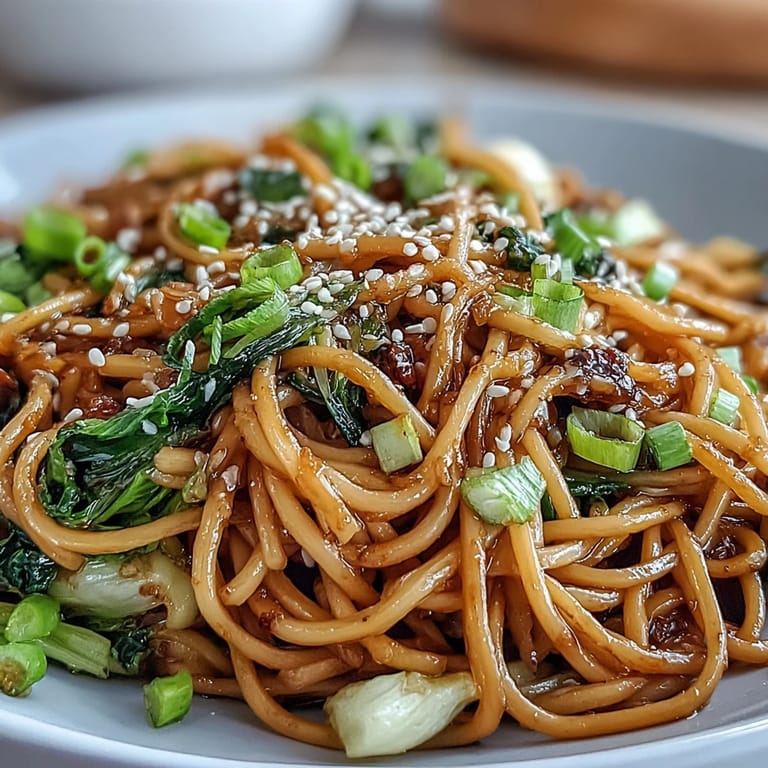
Save There's a moment when you pour that hot oil over the ginger and it fills your whole kitchen with this aromatic cloud—that's when you realize you're making something special. Even on the nights when everything else feels chaotic, that smell grounds you.
What Makes This Sauce Different
Most ginger-scallion sauces you'll encounter rely on mayonnaise or cream, but this version uses heat and oil to create something lighter and brighter. The hot oil doesn't just coat the aromatics; it essentially blooms them, pulling out flavors that would stay dormant in cold oil. I discovered this by accident when I spilled some oil into a bowl of scallions and ginger meant for a cold preparation, and the result was so superior that I've never gone back. The sauce ends up glossy, aromatic, and almost silken without any heaviness.
Flexibility Built In
This dish is a canvas, not a rigid formula. I've made it with whatever greens were in my crisper drawer—sometimes kale, sometimes just chard, once even with broccoli rabe when I was feeling adventurous. The core sauce stays the same, but everything else bends to what you have. Some nights I add shredded chicken or crispy tofu for protein; other times I double the greens and call it dinner. The noodles themselves are flexible too; rice noodles work if you're avoiding gluten, and I've even used buckwheat soba when I wanted something earthier.
Timing and Temperature Considerations
Temperature contrast is actually what makes this dish sing—hot noodles meeting cool, gently cooked greens and a sauce that's warm but not scorching. If you make the sauce too far ahead, it can separate slightly as it cools, so I usually make it while my water boils for the noodles. The greens cook last, and the whole dish comes together in the final two minutes. Get your bowls ready before you start plating, because this is best served immediately when the noodles still have some warmth and the greens haven't started to wilt.
- Cook everything in this order: noodles first, sauce while water boils, greens while noodles cool slightly.
- If you must make this ahead, keep components separate and assemble just before serving.
- Leftover noodles can be reheated gently with a splash of water, but they're best eaten fresh.
 Save
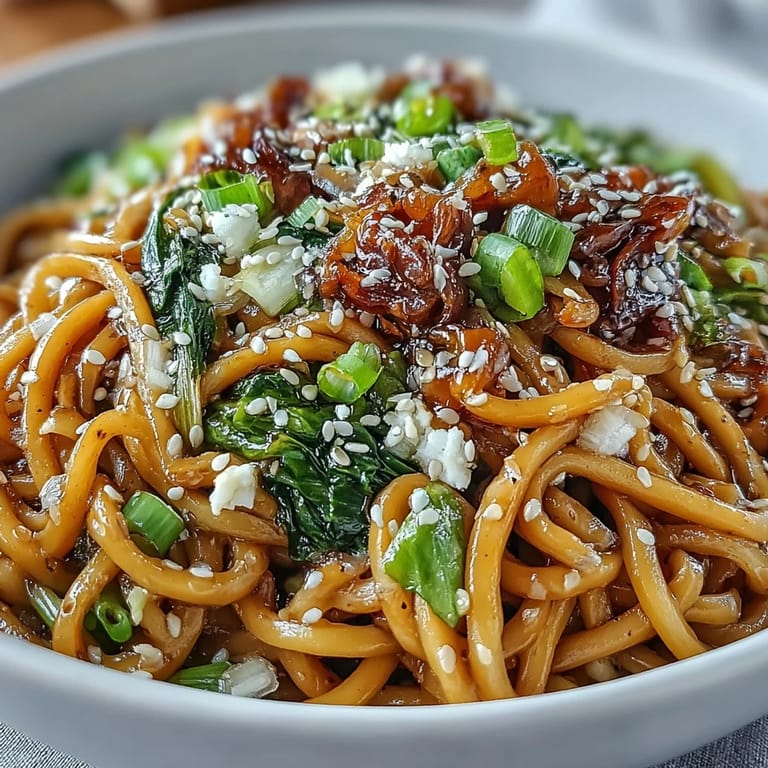
Save This recipe taught me that simple doesn't mean boring—it just means every ingredient has to pull its weight. Making this dish has become a small ritual, a way to feed myself something delicious on nights when I don't have the energy for complexity.
Cooking Q&A
- → What types of noodles can I use?
Wheat noodles like lo mein, udon, or ramen work well. For gluten-free options, try rice noodles.
- → How is the ginger-scallion sauce prepared?
Fresh scallions, ginger, and garlic are mixed, then hot neutral oil is poured over to release aromatic flavors before adding soy sauce, vinegar, sesame oil, sugar, and pepper.
- → Can I substitute the greens?
Yes, baby bok choy can be replaced with spinach, kale, or chard according to preference or season.
- → How do I add heat to the dish?
For spiciness, add finely sliced fresh chili or mix chili oil into the ginger-scallion sauce.
- → Is this dish suitable for vegans?
Use egg-free noodles to ensure the dish remains vegan-friendly while enjoying all other plant-based ingredients.
- → What proteins pair well with this dish?
Tofu, tempeh, or shredded chicken can be added for extra protein without overpowering the flavors.