 Save
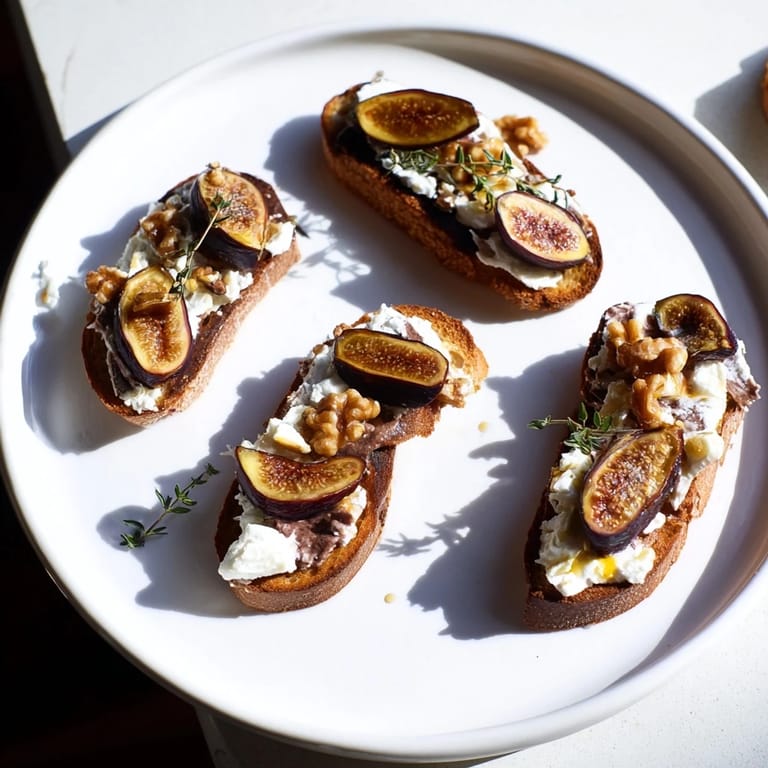
Save There's something about the first time you arrange something on a platter that feels less like cooking and more like creating a small edible gallery. I discovered this dish at a dinner party where I was supposed to bring something impressive but fuss-free, and instead of panicking, I thought about what happens when you layer things with intention—how pâté's earthiness suddenly makes sense next to figs' honeyed sweetness, how goat cheese softens the whole affair. That night, someone asked if I'd been trained in French cooking, and I laughed because it was really just listening to ingredients talk to each other.
I made this for a small gathering on a Sunday afternoon, and what stuck with me wasn't just the compliments, but the way people slowed down while eating—picking up a single canapé, taking a moment to taste all the layers, then reaching for another. Someone said it tasted like autumn in a bite, which made me realize that pâté and figs aren't just ingredients; they're a conversation about seasons and abundance.
Ingredients
- Duck or chicken liver pâté (200 g): The foundation—its silky richness anchors everything else. Room temperature pâté spreads like butter, but cold pâté fights back, so take it out while you're toasting the bread.
- Dried figs, thinly sliced (120 g): They add sweetness and visual drama with their deep purple color. The thinner you slice them, the more gracefully they layer; a sharp knife is your friend here.
- Soft goat cheese (80 g): Use the creamy kind that's almost spreadable. It shouldn't be cold from the fridge—let it sit on the counter for fifteen minutes so it finds its softest self.
- Toasted brioche or gluten-free crackers (12 slices): The stage for everything else. Brioche's slight sweetness echoes the figs, but crackers work too if gluten isn't welcome at your table.
- Toasted walnuts, roughly chopped (40 g): The texture that keeps things from feeling too soft and precious. Toast them yourself if you can—they'll taste so much more alive than store-bought.
- Fresh thyme sprigs: A whisper of herbal sharpness that lifts the whole arrangement. Don't skip this; it's what keeps it from being a one-note sweet moment.
- Fig jam (2 tbsp, optional): A finishing touch if you want extra fig-forward sweetness, though honestly the dried figs usually say enough.
Tired of Takeout? 🥡
Get 10 meals you can make faster than delivery arrives. Seriously.
One email. No spam. Unsubscribe anytime.
Instructions
- Build your foundation:
- Arrange brioche slices on your platter in an overlapping pattern—think of shingling a roof, or how leaves naturally layer. This isn't just practical; it's how the dish becomes visual, inviting people to reach without thinking.
- Spread the pâté:
- Use a small spatula or butter knife to give each slice a generous layer, letting it just kiss the edges. The pâté should feel abundant, not shy.
- Scatter the figs:
- Lay thin fig slices across the pâté in an intentional pattern—you're creating color contrast now, making each layer visible. They should look like they belong, not like afterthoughts.
- Dot with goat cheese:
- Using a small spoon or the tip of your knife, place little clouds of goat cheese between figs. These soft pockets make the whole thing feel less formal and more playful.
- Add texture with walnuts:
- Scatter chopped walnuts across the platter with a light hand, letting them land where they want. They'll catch light and give everything a rustic anchor.
- Finish and serve:
- Drizzle fig jam (if using) in thin lines across the arrangement, then tuck thyme sprigs into gaps like you're arranging flowers. Serve right away so temperatures stay in that perfect balanced place where everything is at its best.
 Save
Save What I didn't expect from this dish was how it became a conversation starter—people asked questions about the components, complimented the restraint of the flavors, and genuinely lingered over this simple arrangement. That's when I understood that sometimes a recipe isn't about technique or time; it's about respecting your ingredients enough to let them shine without interference.
Building Flavor Layers with Intention
Each element here has a role beyond just taste. Pâté brings umami and richness—the kind of depth that makes other flavors seem to glow brighter. Figs add natural sweetness and visual weight, a color that says autumn and luxury without trying. Goat cheese interrupts the richness with a subtle tang, resetting your palate between bites so you keep tasting everything fresh. Walnuts ground the whole thing with earthiness and crunch, so nothing stays soft for too long. When you understand what each ingredient brings to the moment, arrangement becomes intuitive rather than stressful.
Making It Your Own
This recipe is generous in the ways it bends. If duck liver pâté feels intimidating, chicken works beautifully and feels slightly less heavy. For vegetarians, a good mushroom pâté (the kind with depth, not the kind that tastes like nothing) steps in without the dish feeling compromised. Blue cheese instead of goat cheese makes everything more intense and sharp—it's a different mood entirely, less picnic and more sophisticated cocktail party. The beauty is that once you understand the architecture, you can swap pieces without the whole thing collapsing.
Wine and Pairings That Matter
I've learned that what you serve alongside this matters almost as much as what's on the platter. Sauternes, with its honeyed sweetness, echoes the figs and feels like the obvious choice—almost too obvious. But a fruity red like a young Beaujolais brings brightness and slight tannins that cut through the richness in surprising ways. Champagne works too, if you want something that feels celebratory rather than cozy. The wrong pairing will make you wonder why this tasted better last time; the right one makes you understand why someone bothered to put these flavors together in the first place.
- Sauternes complements sweetness and richness simultaneously, creating harmony rather than competition.
- A Beaujolais or other light red brings freshness that cuts through pâté's weight without overwhelming delicate figs.
- Sparkling wine works if your gathering feels more festive than intimate.
 Save
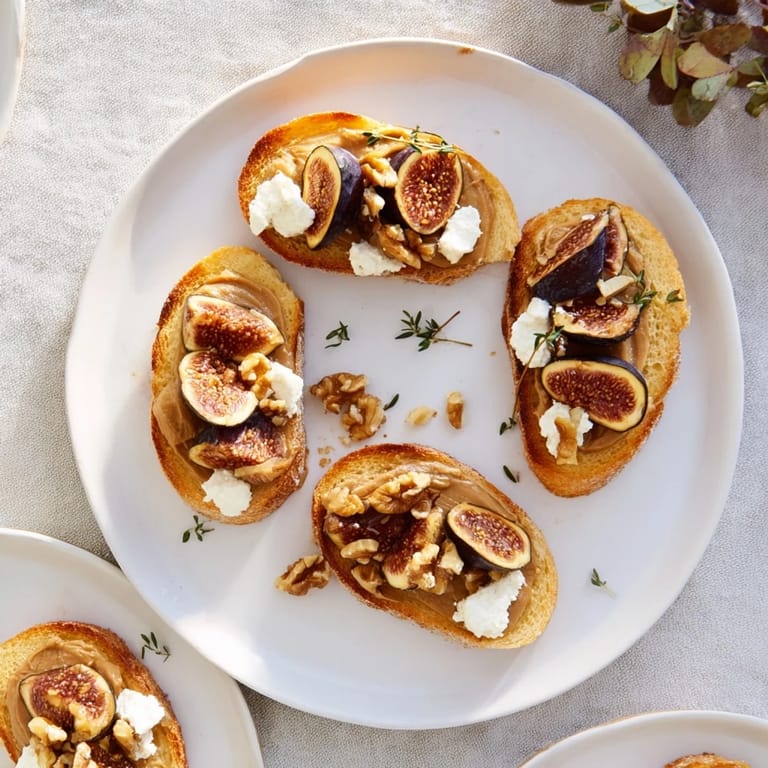
Save This dish taught me that sometimes simple arrangements, when done with care and good ingredients, say everything you need to about hospitality. It's the kind of thing that makes people feel thought of without making them feel like you spent hours in the kitchen.
Cooking Q&A
- → Can I make this appetizer vegetarian?
Yes, substitute the liver pâté with mushroom pâté for a vegetarian-friendly version without sacrificing depth of flavor.
- → What cheese alternatives work well here?
Try blue cheese in place of goat cheese for a stronger, more pungent flavor contrast.
- → Are gluten-free options available?
Use gluten-free crackers instead of brioche to accommodate gluten sensitivities.
- → How should this appetizer be served?
Arrange all layers on a large platter and serve immediately, allowing guests to enjoy the combination of flavors and textures together.
- → What beverages pair nicely with this dish?
A chilled Sauternes or a fruity red wine complements the rich and sweet notes beautifully.