 Save
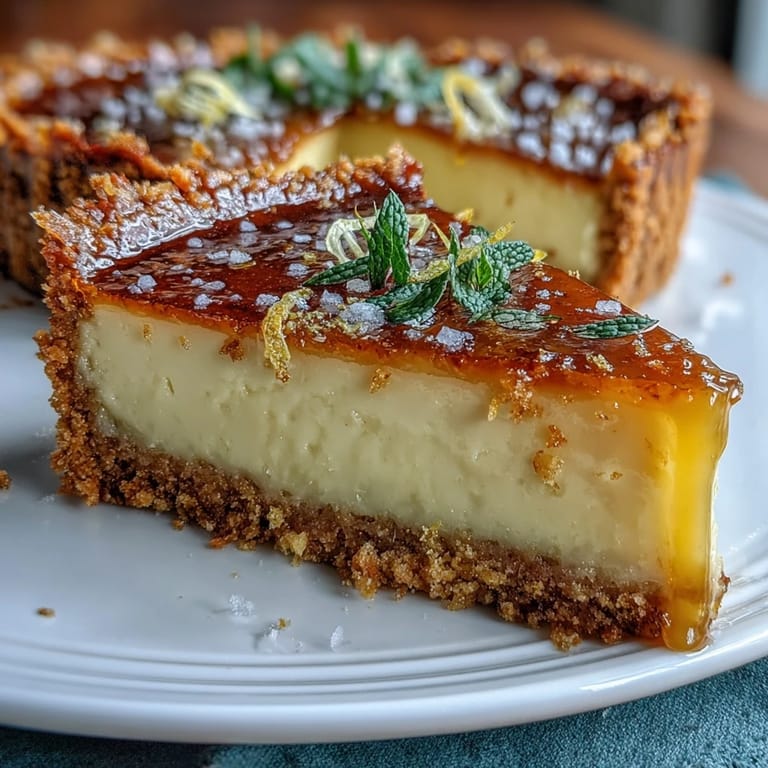
Save There&nevers quite anything like the scent of lemons when their zest hits the air& it makes the whole kitchen feel optimistic. My first attempt at this Lemon Curd Spring Tart happened on a quiet Saturday when the market had just started selling edible pansies again& Making the tart was less about celebration and more about needing a dessert that could brighten even a gray afternoon. With every step& the process promises a sort of unhurried joy. The shell is full of buttery possibility& the curd shining and smooth& and those flowers& well& they might as well be nature’s confetti.
One spring evening& I put this tart together for friends coming over for what was supposed to be a casual dinner. There was light jazz playing& and I remember smudging flour on my cheek without realizing—everyone laughed when I finally showed up to the table still marked with pastry dough war paint. The conversations ended up circling around how something so simple could look so enchanting in the center of the table. Nobody waited for coffee& slices disappeared before I’d even sat down. It turned a regular night into something memorable.
Ingredients
- All-purpose flour: It gives the tart shell structure; keep everything cold for best flakiness.
- Unsalted butter (cold): Big flavor boost and the secret to that melt-in-your-mouth bite& so cube it before tossing it in.
- Powdered sugar: Helps the shell turn tender and just sweet enough& not cloying.
- Large egg yolk: Binds the dough and adds richness& don’t skip this step.
- Cold water: Add a splash at a time just until your dough holds together; wetter dough gets tricky.
- Salt: Balances all the flavors—don’t underestimate this!
- Eggs (for curd): The base of the custard& whisk them thoroughly so your filling is smooth and creamy.
- Granulated sugar: Sweetens the curd and sets off the tang of the lemons.
- Lemon zest: The oils here bring the curd to life& use a microplane and avoid the bitter white pith.
- Fresh lemon juice: Bottled juice won’t give you the same brightness& squeeze your own for best results.
- Unsalted butter (for curd): Adds silkiness and a glossy finish to the filling.
- Edible flowers: For a joyful springtime look& rinse very gently and pat dry.
- Fresh mint leaves (optional): A little green never hurts& but not strictly necessary.
Tired of Takeout? 🥡
Get 10 meals you can make faster than delivery arrives. Seriously.
One email. No spam. Unsubscribe anytime.
Instructions
- Make the tart dough:
- Pulse flour, powdered sugar, and salt in a food processor—you'll hear the gentle whir of the blades mixing dry ingredients. Drop in cold butter and pulse again until it all looks like rough gravel, then drizzle in the yolk and cold water to create a very soft dough that just comes together when pressed between your fingers.
- Chill and roll:
- Tumble the dough onto some plastic wrap, pat it into a disk, and chill it in the fridge while you tidy up or zest your lemons. Later, roll the dough out on a dusted surface; it should feel cool and pliable, not sticky, as you ease it into the tart pan.
- Blind bake the shell:
- After a short fridge rest, pierce the base with a fork and line it with parchment. Plant your pie weights and bake—the kitchen will smell rewardingly like pastry when you take it out, golden at the edges and crisp through the bottom once those weights are removed for the final bake.
- Whisk the lemon curd:
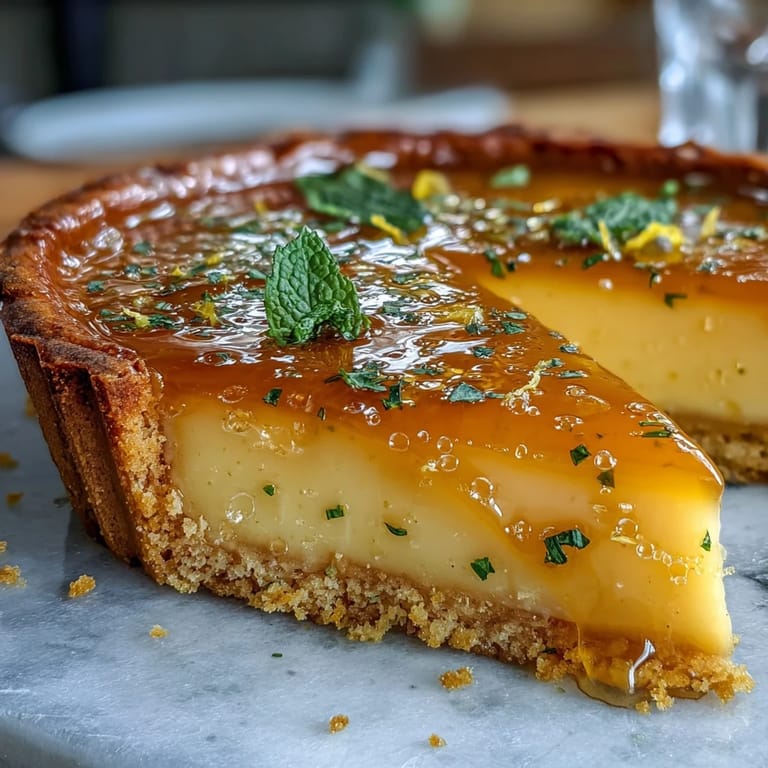
- Whisk the eggs, sugar, zest, and lemon juice in a saucepan over low heat—the gentle scraping sound signals it's thickening but take care not to let it boil. When it sweeps thickly off your whisk, whisk in the butter off heat for a finish as glossy as sunlit glass.
- Strain and cool the curd:
- Pour the curd through a fine sieve to catch any stubborn zest or curdled bits. Let it cool to room temp—this is when the curd sets just enough and the flavors mellow together.
- Fill and chill:
- Spoon the cooled lemon curd into your tart shell and smooth the surface—it's oddly satisfying. Chill the tart for at least an hour, or until thoroughly set and ready for its floral crown.
- Decorate and serve:
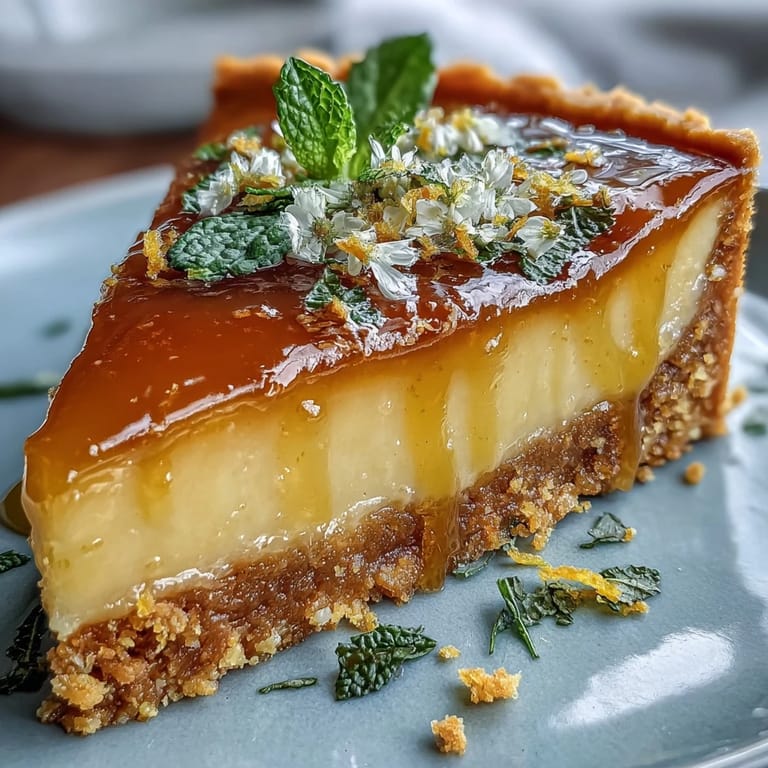
- Scatter edible flowers and mint just before serving; even a little goes a long way. Slice and share while the curd still glows, and each bite crunches delicately.
 Save
Save 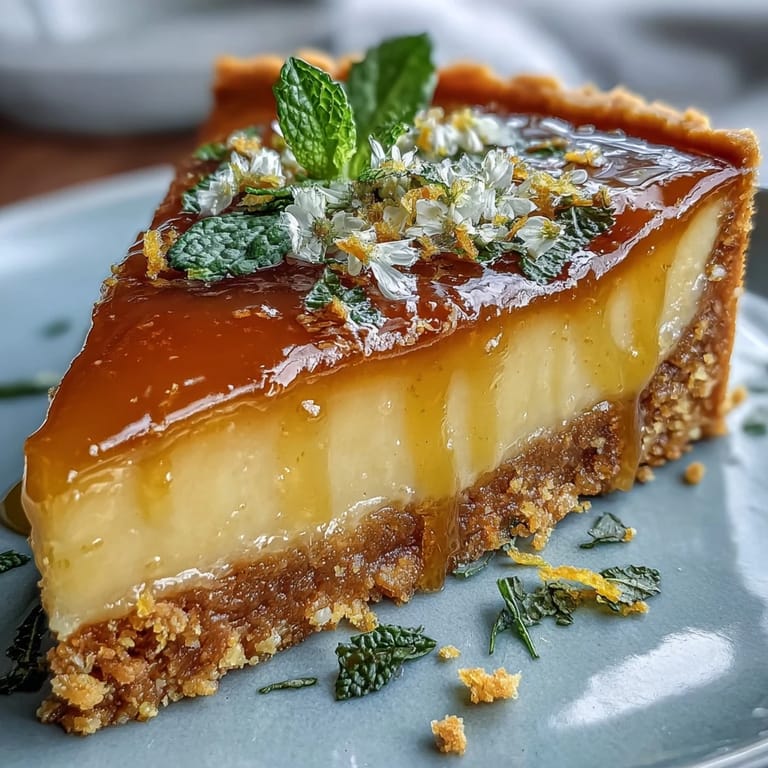 Save
Save The first time my niece helped, she insisted on picking every single flower for the top& Each one was chosen with solemn care, and when we finally finished, the tart looked like it belonged at a fancy bakery. It made her so proud that she refused to let anyone take the first slice but her. After that, every lemon tart feels like a mini celebration, even when I’m making it solo. Food somehow tastes brighter when these kinds of memories are baked in.
Choosing and Using Edible Flowers
Picking the right flowers turns the tart into artwork—avoid treated or store-bought bouquets, and look for pansies, violets, or nasturtiums at farmers markets. Soak and gently pat flowers dry so no grit sneaks in. Arrange them with a mixture of colors and sizes for a natural scatter that doesn’t feel fussy. Flowers with a subtly sweet or peppery kick, like violas or nasturtiums, add flavor too. The tart instantly feels ready for company.
Making the Perfect Lemon Curd
Cooking lemon curd takes patience but almost no technical skill. Don’t let the mix boil& keep the heat low and remember to stir constantly. If you see even the tiniest bit curdling, pull it off heat and keep whisking, and it usually saves itself. The difference between just-mixed and fully cooked curd is a glossy texture that coats your spoon and clings to the tart shell. Straining is absolutely worth the extra bowl to wash.
Spring Entertaining: The Tart’s Party Trick
This tart is both a stunner and a stress reliever—I’ve pulled it out for brunches, birthdays, and even low-key picnics. It sits beautifully at room temperature and travels well if you wait to decorate until you arrive.
- Add a swirl of whipped cream right before serving for an extra flourish.
- Store leftovers covered in the fridge and enjoy the next morning with coffee.
- If you want sharper lemon flavor, increase the zest just a touch.
 Save
Save  Save
Save Every time I finish this tart, it feels like the kitchen caught a little bit of sunshine. Even if it’s just a treat for yourself, a zesty dessert can turn an ordinary day extraordinary.
Cooking Q&A
- → How do I prevent the curd from curdling?
Cook the mixture over medium-low heat and whisk constantly. Do not let it boil; remove from heat as soon as it thickens and strain to ensure a smooth texture.
- → Can the lemon curd be made ahead of time?
Yes. Cool the curd, store in an airtight container in the fridge for up to 3 days, and bring to room temperature briefly before pouring into the shell for easier spreading.
- → What are tips for successful blind baking?
Chill the shaped dough before baking, line with parchment, and use pie weights or dried beans. Bake until the edges are golden, remove weights, then finish until the base is set and lightly colored.
- → How can I make this gluten-free?
Swap a cup-for-cup gluten-free flour blend (with xanthan gum if needed). Chill the dough well and handle gently to prevent a crumbly crust.
- → Are edible flowers safe to use on the tart?
Use culinary-grade, pesticide-free flowers such as violets, pansies or nasturtiums. Rinse gently, dry completely, and check for potential allergens before serving.
- → How do I know when the lemon curd is ready?
It should thicken enough to coat the back of a spoon and leave a clear line when you run your finger across it. After chilling, it should be firm but still spreadable.